
Launching a new product or service requires a strong, strategic approach to make the right impact. Public relations gives you the tools to shape perception, build credibility and create excitement before your product even reaches the market.
Effective PR ensures your launch captures attention, builds trust and drives engagement from day one. A well-planned PR campaign helps position your brand as an authority while generating meaningful coverage that supports your business goals. With the right approach, you can turn your launch into a powerful moment that strengthens your brand’s reputation and helps you achieve your sales goals.
This guide walks you through every stage, from strategic PR planning to executing high-impact tactics that amplify your message. By the end, you’ll know exactly how to use PR to make your launch stand out and deliver lasting results.
Strategic PR planning for a successful product launch
A well-planned PR strategy sets the foundation for a strong market launch. It ensures your message aligns with your business goals, resonates with your target audience and highlights what makes your product or service distinct in a competitive landscape.
Defining launch objectives and KPIs
Before you begin outreach, define what success looks like. Clear objectives help you focus your PR efforts and measure results accurately. Your goals might include increasing brand awareness, generating qualified leads or securing media coverage in key outlets.
Set key performance indicators (KPIs) that align with these objectives. Examples include:
| Objective | KPI | Measurement tool |
| Build awareness | Media mentions | Media monitoring |
| Drive engagement | Website traffic | Google Analytics |
| Generate leads | Enquiry forms completed | CRM data |
Establishing measurable outcomes allows you to track progress and adjust tactics. Combine short-term metrics, such as social media engagement, and long-term ones, such as customer retention, for the best results.
Identifying and researching your target audience
Understanding your target audience ensures your messages reach the right people at the right time. Begin with thorough market research to identify demographics, behaviours and preferences. Define your customer persona by outlining their needs, challenges and media consumption habits.
For B2B launches, focus on decision-makers and industry influencers. For B2C launches, explore lifestyle interests, purchasing triggers and emotional drivers. Analysing market trends helps you position your product within current consumer conversations.
Use surveys, focus groups and competitor analysis to gather insights. This groundwork enables more targeted storytelling and stronger engagement.
Crafting a compelling brand story and unique selling proposition
A strong brand story connects your audience to your product or service’s purpose. It should clearly express how your offering solves a problem or improves their everyday life or business operations. Your unique selling proposition (USP) highlights what sets you apart, whether it’s ease of use, design or customer experience.
Align your story with your brand architecture and ensure consistency across all communication channels. Conduct a brand audit to confirm the imagery, tone and messaging in your launch campaign reflect your overall brand identity.
Incorporate emotional and rational appeals to strengthen trust; effective storytelling and credibility-building are key factors in successful brand launch strategies.
Pre-launch PR essentials
Once you’ve defined your campaign objectives and audience, it’s time to lay the foundations of your PR activities. Pre-launch communications and defining your media hooks will make your launch smoother and more organised.
Define your media hooks
Using digital PR and outreach strategies are a powerful way to amplify your message, but you need to give journalists, editors and publications a reason to publish your content. This is especially true with commercial campaigns.
Your hooks help your contacts understand how working with you will benefit them, whether it’s increased views and traffic on their sites or the continuation of a long-term partnership. Your story should appeal to their audience, so you need to know why their end users will be interested in your launch.
If your launch coincides with a celebration like Christmas, Valentine’s Day or Mother’s or Father’s Day, this is a strong hook for media coverage. But if it doesn’t, consider your product USPs and why your launch is important to people. Are you solving a common problem, launching something brand-new and innovative or improving on an already beloved product?
Pre-launch teasers
To get the most out of your product launch, warm up your media contacts and your audience with pre-launch teasers. Strong existing media relations allow you to send key details and pre-launch promotions to your contacts so they can help you build anticipation for your launch.
Social media is a great way to engage directly with your audience and get them excited about your upcoming launch. Teaser content that reveals some features of your new product or service, like videos or photography, help you create excitement amongst your followers.
Offering these pre-launch teasers as an exclusive can also help you secure media coverage as it allows your chosen publications to announce your launch as their own scoop. Cision’s 2025 State of the Media report highlighted that 57% of reporters want to receive exclusives from their PR contacts, making it a useful tactic both for your business and target publication. If your product launch is underpinned by unique research, include that too – the same report highlighted that 55% of reporters also want to receive original research.
Consider all available channels
PR outreach and social media should be central to all product launch campaigns, but don’t forget about the other channels available to you too. Paid social and search ads can enhance your outreach and organic social efforts, while content on your owned channels like your website or app can provide more information for customers who come directly to you to learn more.
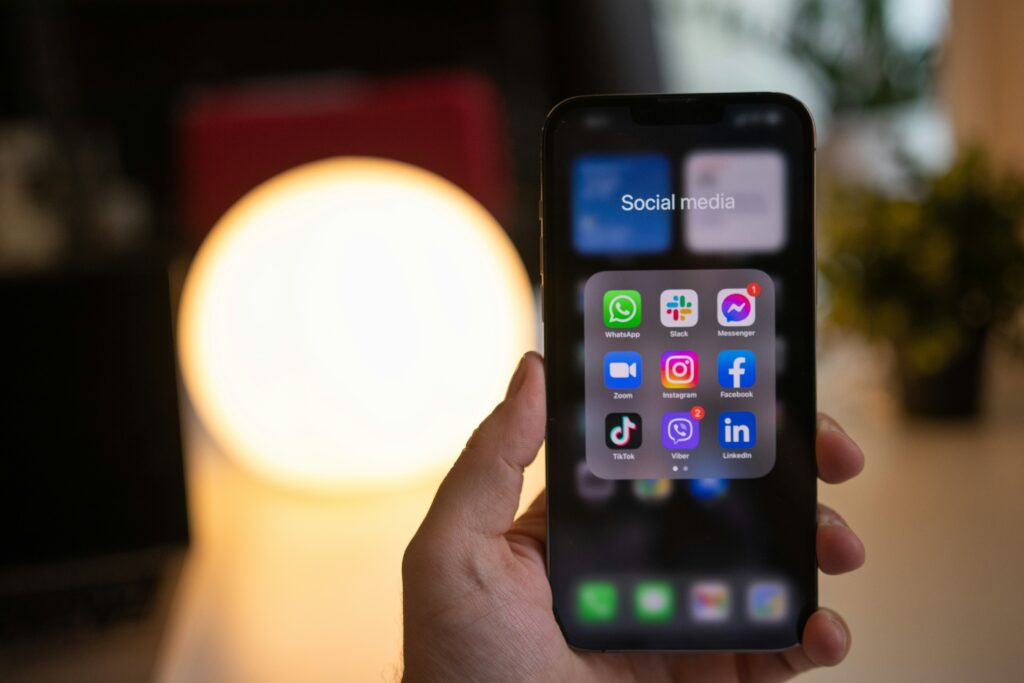
Email newsletters and regular communications with existing customers are a good opportunity to tease and announce your launch too. Enlist your customer service team to discuss your launch on calls or instant message conversations with customers to get the word out too. Using every available channel can help you reach more people.
High-impact PR tactics for launch success
Strong public relations activity drives visibility, credibility and engagement when introducing a new product or service. You can achieve measurable results by combining strategic media outreach, social media engagement and influencer collaboration to create momentum before, during and after launch.
Press release creation and media outreach
Press releases should serve as the foundation of your launch communications. Focus on clarity, relevance and timeliness. Include key details such as your product’s unique features, availability and pricing, supported by quotes from senior executives.Create a targeted media list that includes relevant journalists, trade publications and online media outlets. Prioritise those covering your sector or audience demographic. Personalise each pitch to strengthen media relationships and improve your chances of media coverage.

Add value by linking to case studies, video testimonials or customer success stories that provide social proof. You can also secure a media briefing, broadcast interview or press conference to answer questions and demonstrate transparency.
Tapping into social media and influencer partnerships
Social media plays a central role in shaping brand perception and driving consumer interest. Develop a clear social media strategy that aligns with your launch goals and tone of voice. Focus on platform picks that best reach your audience – LinkedIn for B2B, Instagram and TikTok for visual storytelling or Facebook for community engagement.
Collaborate with social media influencers who reflect your brand values and can deliver authentic engagement. Using influencer marketing to showcase unboxing videos, product demos or behind-the-scenes content can build anticipation and increase trust.
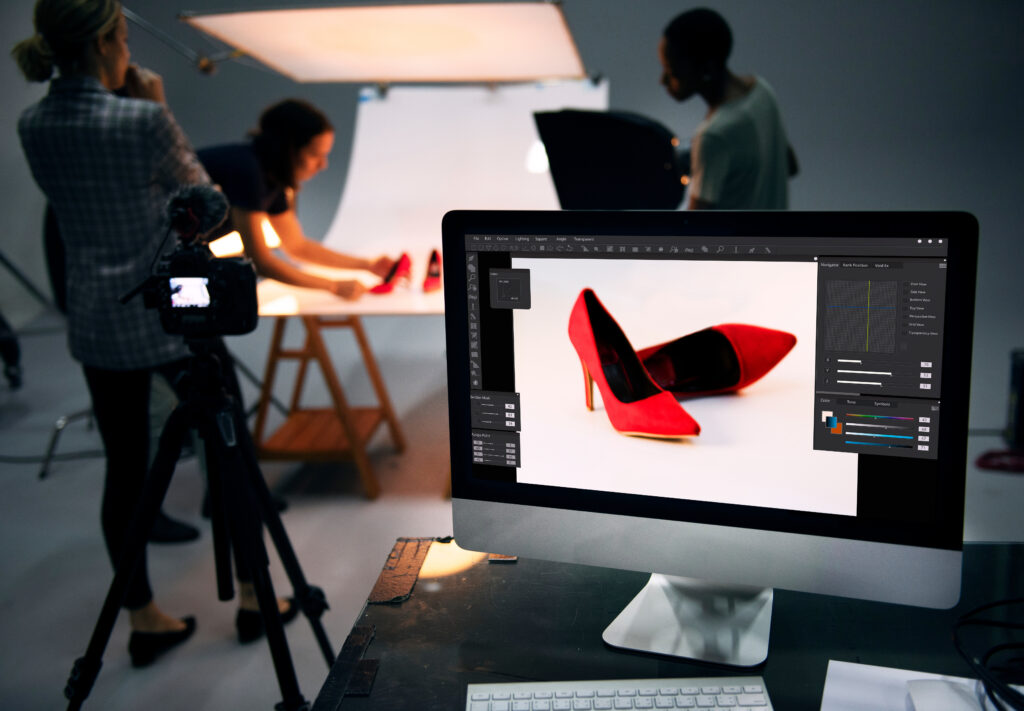
Encourage participation through competitions and giveaways to increase brand awareness and website traffic. Consider virtual or promotional events to connect with audiences across digital platforms, supported by consistent content creation and community management.
Maximising launch day momentum and post-launch engagement
On launch day, timing and coordination are crucial. Schedule media posts, press releases and influencer content to go live simultaneously for maximum reach. Use hashtags and live updates to maintain visibility across social media channels.
Enhance engagement through trade shows, virtual events or online Q&A sessions that allow direct audience interaction. Maintain active customer service support to handle enquiries quickly and positively.
After launch, sustain interest with content marketing – share follow-up stories, case studies and exclusive content that demonstrate success. Combine SEO strategies and digital PR services to keep your product visible long after launch.
Frequently asked questions
Strong PR planning ensures your product launch gains visibility, credibility and momentum. It involves aligning your messaging, timing and media relationships to create measurable impact and long-term brand value. Here, we answer some of the most commonly asked questions around using PR to successfully launch new products and services.
What are the key components of a successful PR strategy for launching new products?
A strong PR strategy begins with clear objectives, defined audiences and consistent messaging. You should develop a compelling story that highlights your product’s value and differentiators.
Plan your outreach across multiple channels, including press releases, media briefings and influencer engagement. A structured approach helps align teams and maintain focus.
How can we measure the impact of a PR campaign on product launch success?
You can track media coverage, share of voice and message accuracy to gauge visibility. Combine these with digital metrics such as website traffic, social engagement and lead conversions. Importantly, measure factors like product sales or service enquiries to ensure your PR coverage achieves its end goal.
What is the ideal timeline for initiating PR activities prior to a product launch?
Begin planning your PR campaign at least three months before launch. This allows time to build media relationships, prepare assets and test messaging. You can also begin to launch teaser campaigns, working with journalists and posting content on social media to generate anticipation.
At launch, focus on outreach, interviews and comprehensive press materials. A step-by-step approach helps you stay on schedule.
What is the role of social media in amplifying product launches?
Social media extends your PR reach by creating direct engagement opportunities. Use platforms like LinkedIn, TikTok and Instagram to share updates, behind-the-scenes content and testimonials.
Encourage employees, partners and early adopters to share your posts to build momentum. Coordinated social activity boosts visibility and credibility.
What are the best practices for coordinating with media outlets to maximise coverage?
Build relationships with journalists before your launch. Offer them relevant, well-prepared materials such as press kits, visuals and product samples. Journalists are keen to receive exclusives from their PR partners, so identifying a publication you already have a strong relationship with, or want to build one with, to launch your campaign exclusively is a good idea.
Be responsive and provide clear, concise information that fits their audience. Proactive communication and follow-up often lead to stronger media partnerships and better coverage.
