
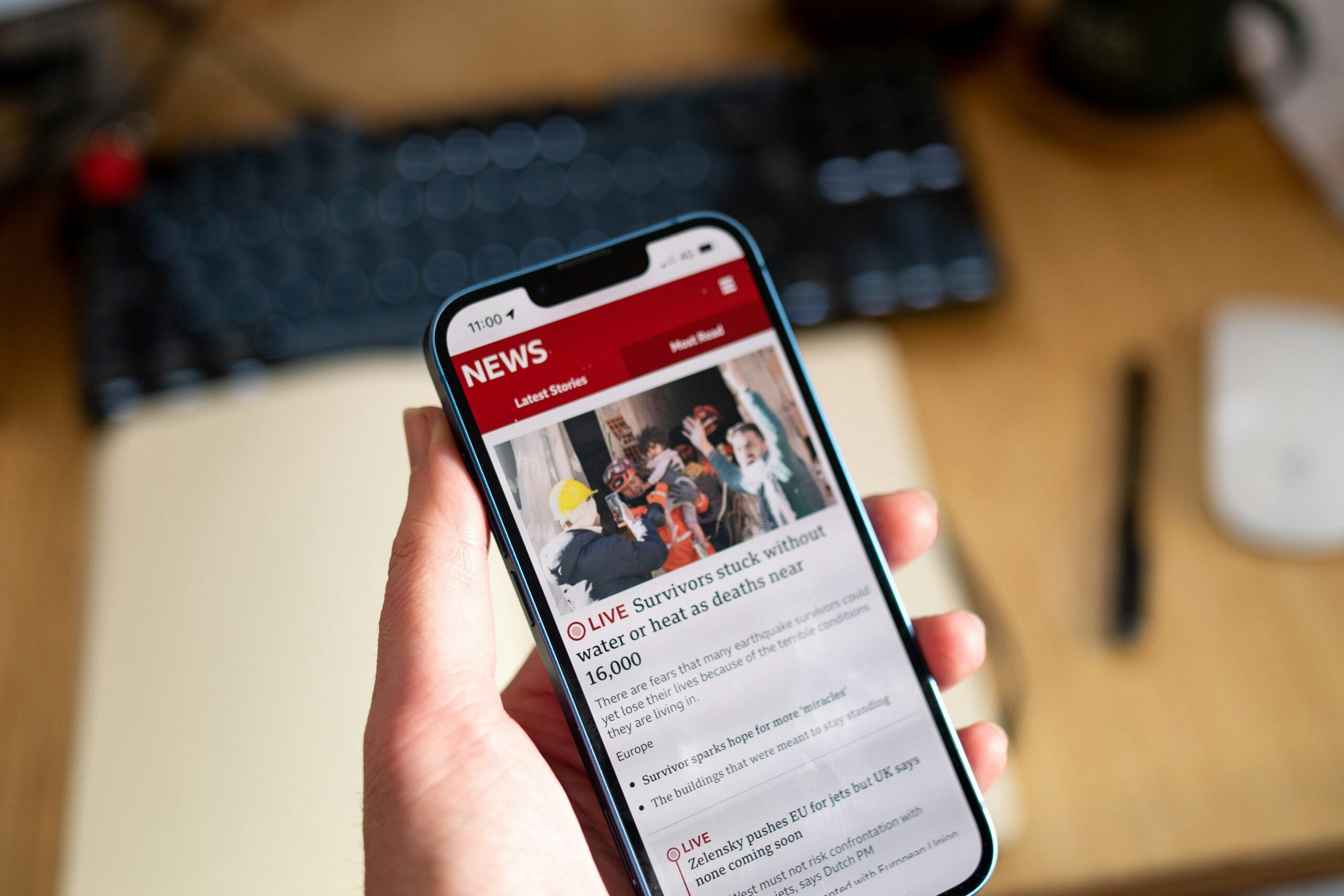
Media bias can derail even the most carefully planned PR campaigns. News outlets can often frame your story through their own lens or misrepresent key facts.
Understanding how media bias shapes public perception is essential for every PR professional. News outlets don’t always present information objectively; they may favour certain viewpoints, use loaded language or cherry-pick details that align with their editorial stance. These practices can twist your brand’s narrative and damage the trust you’ve worked hard to build with your audience.
By learning to spot different types of bias and implementing smart strategies from the planning stage onwards, you can navigate the media landscape with confidence. Here, we’ll take you through the impact of media bias and practical ways to minimise its impact on your PR campaigns.
Understanding media bias and its impact on PR
Media bias can shape how your stories appear in news coverage, affecting whether your PR campaigns succeed or fail. Different forms of bias influence public opinion through selective framing, word choice and emphasis, making it essential to recognise these patterns before they damage your brand reputation.
What is media bias and how does it manifest?
Media bias refers to systematic favouritism or prejudice in news coverage that affects how information reaches audiences. It can occur intentionally when journalists or media outlets deliberately slant stories, or unintentionally through unconscious preferences that shape editorial decisions.
Language utilisation plays a key role – the specific words journalists choose can paint your brand positively or negatively. A product launch might be described as “ambitious” or “risky,” fundamentally altering reader perception. The framing of events determines which aspects of your story receive prominence and which get buried or ignored entirely.
To identify media bias, you need to understand how news outlets present information systematically. The British press, for instance, may frame business stories through political or social lenses that may not align with your messaging goals.
Types of media bias in PR campaigns
Media bias doesn’t have just one face, but rather exists in different forms. Selection bias occurs when media outlets choose which stories to cover and which to ignore, potentially leaving your announcements unreported whilst competitors receive attention. National newspapers, for example, might prioritise stories from larger corporations over smaller businesses, regardless of newsworthiness.

Gatekeeping bias emerges when editors and journalists decide what information reaches the public. Your press release might contain five key messages, but mainstream media may focus on only one aspect, which could be an element that can be spun as negative or controversial. This selective reporting distorts your intended narrative.
Political bias affects coverage based on a publication’s ideological position. UK media outlets often lean left or right, influencing how they portray business decisions, corporate social responsibility initiatives or leadership changes. What you frame as innovation might be characterised as disruption, depending on the outlet’s perspective.
Corporate bias stems from media ownership structures. Media moguls and parent companies influence editorial directions, affecting which brands receive favourable coverage. This creates challenges when your messaging conflicts with an outlet’s commercial interests or ownership priorities.
Many professionals are aware of bias that can be present in national and regional news outlets, but all of these types of media bias can be present in other types of publications like trade outlets and even influencer platforms.
The influence of media bias on brand reputation and public opinion

Media bias directly shapes public debate about your brand through consistent negative framing or omission of positive developments. When your media representations are unfavourable, you face an uphill battle convincing prospective customers of your value proposition, regardless of your actual performance or ethical standards.
Research provides systematic evidence that biased coverage influences mass political behaviour and consumer decisions. A lot of data on media bias focuses on political leanings, but this can have a real impact on business coverage too. Your competitor might receive glowing coverage for initiatives identical to yours simply due to existing relationships with journalists or alignment with editorial positions.
Repeated negative framing across multiple media outlets creates a perception problem that affects customer trust, investor confidence and employee morale. Even factually accurate reporting can harm your reputation when journalists consistently emphasise problems while minimising achievements.
Media bias can have a substantial impact on how audiences perceive your messages. A single biased article might cause limited harm, but sustained patterns across the news media landscape can cause sustained damage to your brand that’s hard to come back from.
Strategies to safeguard your PR efforts against media bias
Protecting your PR campaigns requires deliberate action across three key areas: choosing the right media partners, creating messaging that withstands scrutiny and actively tracking how your stories are being told across the media environment.
Selecting and building relationships with diverse media outlets
Your choice of media outlets can impact how your message reaches audiences. When targeting publications, research each outlet’s editorial stance, typical framing approach and previous coverage patterns before pitching your story. Look at their published articles and conduct content analysis to understand what angles they favour.
Build relationships with journalists across different media platforms, including news websites, digital media and sector publications. This diversity helps you avoid over-reliance on outlets that might interpret your message through a narrow lens.

Consider how different outlets serve different audiences. UK press can help you reach wider audiences, but different publications have different audience demographics that they cater to through language and coverage choices. Your audience placement strategy should reflect these differences.
Track circulation levels and trust in news ratings for outlets you’re considering. Where possible, choose outlets with strong credibility ratings and proven track records. Aim for a mix of reach too – often niche publications can offer more balanced coverage for specialist topics.
Crafting clear, trustworthy and adaptable PR messaging
Provide clear and consistent messaging throughout your entire campaign to minimise misinterpretation. Your core facts should remain unchanged regardless of which media outlet picks up your story, but you can adapt your tone of voice and focus points depending on their audience.
Transparency builds credibility in a media-saturated democracy where audiences are led by what outlets choose to provide them. Back your claims with verifiable data from credible sources and avoid making unsupported claims or statements that sound exaggerated.
Adapt your messaging format to suit different platforms without changing the substance. A 2,000-word piece for a trade publication should contain the same key facts as an 800-word version for news media. Your message should work equally well across search engines, social media platforms and traditional news outlets. Prepare alternative framings of your story that maintain honesty whilst appealing to different editorial perspectives.
Use monitoring, measurement and independent evaluation
Monitoring your media coverage in real-time lets you spot bias before it causes damage. Set up alerts across digital technologies to track media references to your brand, campaign or key messages as they appear.
Analyse how different outlets frame your story. Compare content to identify patterns in language, tone and emphasis. This content analysis reveals which outlets present your message accurately and which apply their own spin.
Track audience reactions across social media and news websites. Comments, shares and engagement metrics tell you whether your intended message is landing or being distorted. Our digital media environment means you’ll get access to audience feedback almost immediately.
Use independent evaluation tools to assess media sentiment objectively. Third-party analysis removes your own confirmation bias from the equation. This is particularly valuable when dealing with the media sector’s tendency to favour populist views or cover stories in a way that prioritises controversy over accuracy.
Frequently asked questions
PR professionals face real challenges when dealing with biased coverage, inaccurate reporting and fragmented media landscapes. These questions address practical ways to protect your brand’s messaging and maintain campaign effectiveness.
What strategies can be employed to counteract the effects of media bias on public relations outcomes?
To counteract media bias, you need to research media outlets thoroughly before pitching your stories. Understanding each outlet’s editorial stance and typical coverage patterns helps you identify potential biases early in the process.
Building relationships with journalists across different outlets gives you multiple placement options. This diversification protects your campaign if one outlet presents your story with an unhelpful slant.
Track all published coverage closely and monitor audience reactions. Quick responses to misrepresented facts or biased framing can limit damage to your reputation.
Provide journalists with clear, fact-based press materials that leave little room for misinterpretation. The more comprehensive and accurate your initial information, the less likely reporters will fill gaps with their own assumptions.
How can I ensure balanced representation in my PR campaigns?
To ensure balance, you should regularly audit the media outlets you target for your campaigns. Challenge why you’re approaching certain publications and actively diversify your outreach to include outlets with different editorial perspectives.
Create messaging frameworks that work across various media platforms and audiences. Your core message should remain consistent even when different outlets frame it through their particular lens.

Develop relationships with reporters who demonstrate fair, balanced reporting. These journalists are more likely to present your story accurately, regardless of their publication’s general editorial stance.
What methods can I use to identify and mitigate unconscious bias within my own PR content?
Review your press materials for language that carries unintended connotations. Words and phrases that seem neutral to you might signal political, cultural or social leanings that attract biased coverage.
Assemble diverse teams to review campaign content before release. Different perspectives help spot blind spots and assumptions that could undermine your message. Dedicated PR consultants like Polymedia can help you audit your content and produce unbiased, factual and interesting content that is placed without the interference of bias.
Compare your messaging against similar campaigns from competitors or other industries. This benchmarking reveals whether your approach aligns with industry standards or contains distinctive elements that might trigger biased responses.
How can public relations professionals maintain the integrity of their messages in a biased media landscape?
To maintain your brand integrity in the face of biased coverage, you need to be transparent in your communications. Transparency builds trust with both journalists and audiences.
Provide verifiable facts and data to support your claims. When journalists have solid evidence, they’re less likely to rely on opinion or speculation that could distort your message.
Create comprehensive fact sheets and backgrounders that answer likely questions. These resources give reporters the context they need to present your story accurately, even if their outlet has a particular editorial perspective.
Remain consistent across all platforms and touchpoints. When your message stays the same whether you’re speaking to traditional media, posting on social media or addressing stakeholders directly, it’s harder to frame it in a negative way.
How can I address biased coverage that isn’t tied to my own PR activity?
To address biased coverage that comes independently of your own PR activity, you need to take quick but strategic action. Respond quickly but thoughtfully; speed matters, but your correction needs to be factual and professional rather than defensive or emotional.
Build correction requests around specific factual errors rather than editorial disagreements. Outlets are more likely to issue corrections for demonstrable mistakes than for interpretive differences.
Develop relationships with outlet editors who can address systematic bias issues. These conversations work best when you can point to patterns across multiple stories rather than isolated incidents.
If you raise these issues with a publication and don’t receive remedial action, you can consider addressing it on your own platforms. But it’s important to assess how damaging this bias is; responding to small stories or inaccuracies publicly can make your business look reactive. Focus only on the coverage that can do serious reputational harm to your business.
