

Your reputation shapes how people perceive your business long before they step through the door or make a booking.
In retail and hospitality, trust and consistency drive loyalty, repeat visits and long-term success. Managing your brand reputation means actively shaping that trust through clear communication, responsive service and a strong online presence.
Building a reputation management strategy strengthens your brand identity and protects your business when challenges arise. It’s key to maintaining trust with your customers; if consumers don’t trust your brand, they won’t buy from you.
Here, we have the ultimate guide to reputation management in retail and hospitality.
Building a robust reputation management strategy
Managing your brand reputation in retail and hospitality means both protecting your brand against crises and bad press as well as positioning yourself as the brand of choice for consumers. First, you need to understand where your brand sits and assess the potential risks to it from both internal and external sources.
Defining brand values and positioning
Your brand values form the foundation of your reputation management strategy. They guide how you communicate, serve customers and respond to challenges. In competitive sectors like retail and hospitality, clarity and consistency are key.
Start by defining what your brand stands for; that could be exceptional service, sustainability or innovation. These values should influence every interaction, from staff training to marketing campaigns. A clear mission statement helps customers understand what makes you different and why they should trust you.
Strong positioning also supports proactive reputation building. By controlling your narrative through consistent messaging and tone, you can shape how people perceive your brand and strengthen long-term loyalty.
Understanding sector-specific reputation risks
Retail companies and hospitality brands face unique reputation risks. Negative reviews, poor service experiences or ethical concerns can spread rapidly online. That’s why monitoring customer feedback across social media and review platforms is vital for detecting potential issues.
It’s a good idea to map out potential risks such as supply chain disruptions, hygiene concerns or data breaches. Then, assign responsibility for monitoring and response. A clear escalation process means your business can take quick action before problems escalate.

By understanding your sector’s vulnerabilities, you can build resilience and maintain confidence among customers, partners and regulators.
Setting measurable objectives
To manage your brand image effectively, you need measurable goals that align with business outcomes. Objectives should focus on both perception and performance. For example, you might aim to increase positive online reviews by 20% or reduce complaint response times to under 24 hours.
Define key performance indicators (KPIs) such as:
- average customer review rating
- share of positive mentions versus negative ones
- media sentiment score
- employee satisfaction index.
Measurable targets allow you to track progress and demonstrate return on investment to stakeholders.
Regular reporting also supports accountability. Share results with your senior team and adjust tactics when needed. By setting clear objectives and measuring outcomes, you ensure your reputation management strategy remains focused, transparent and effective.
Optimising your online presence and review management
Maintaining a strong online reputation in retail and hospitality depends on how well you monitor customer feedback and online reviews. Visibility is important too – if you’re a bricks-and-mortar business, people will often discover you online before setting foot in your venue. Using structured review management and local SEO strategies helps you build trust, attract new customers and strengthen brand credibility.
Managing online reviews and customer feedback
Online reviews shape how customers perceive your business. You should actively monitor, respond to and analyse feedback across major platforms such as Google Reviews, TripAdvisor and Yelp. Consistent engagement with reviews builds credibility and improves customer loyalty.
Respond quickly and professionally to both positive and negative feedback. A polite, timely reply shows that you value customers. Offering support to those who report poor experiences shows that you take their experiences seriously and want to make things right.
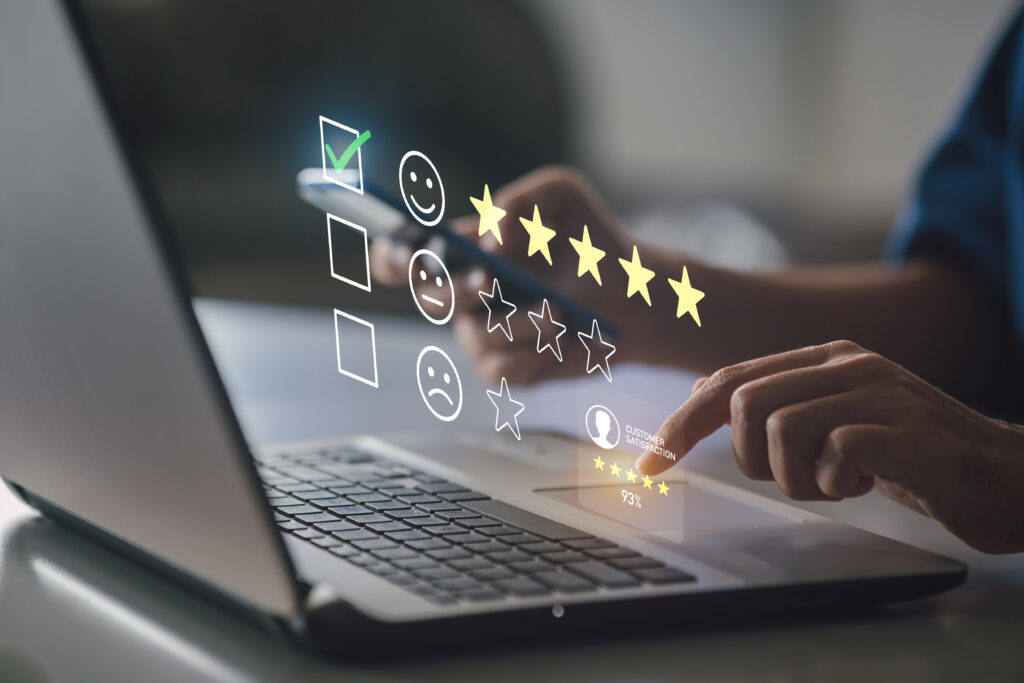
Encourage satisfied customers to leave reviews through follow-up messages, email marketing or QR codes on receipts. This steady flow of authentic feedback strengthens your online reputation and improves visibility in search results.
Managing review platforms and local listings
Your presence on key review platforms and local listings directly affects how customers find and evaluate your business. Social media and review platforms act as digital shopfronts. Keeping these profiles accurate and engaging increases your credibility.
Ensure your business name, address and contact details are consistent across all listings. Add high-quality photos, opening hours and short descriptions that reflect your brand tone.
Use a review widget on your website to display verified customer feedback. This demonstrates transparency and helps convert website visitors into paying customers.
Aligning public sentiment and brand values builds trust, as customers see that you’re not just talking the talk. By doing so, you present a cohesive image that builds trust and encourages repeat visits.

Enhancing search engine visibility and local SEO
Strong local SEO ensures that customers find your business when searching for nearby options. Optimising your Google Business Profile and including relevant keywords in descriptions helps improve your search engine rankings.
Encourage customers to mention specific products or locations in their reviews. These natural keywords can boost visibility in search engine results. For the best visibility and customer experience, add location-based tags, keep your site mobile-friendly and use structured data to help search engines display ratings and review snippets.
Managing search results and reviews together enhances your brand’s discoverability and trustworthiness.
Utilising reputation management software and tools
Reputation management software simplifies how you track and respond to customer feedback across multiple channels. Brand reputation tools can centralise reviews, automate alerts and generate performance reports.
If you choose software that integrates with your CRM, you can unify customer data and streamline communication. When selecting a system, look for:
- centralised dashboards for all review platforms
- automated alerts for new feedback
- analytics to track sentiment and response times
- security controls for data protection.
Using these tools helps you act on insights faster, improve customer satisfaction and maintain a consistent, positive online presence.
Driving engagement through social media and customer experience
Building trust and loyalty in retail and hospitality depends on how you listen, respond and engage online – whether you’re a purely online player or you have physical venues. By analysing audience sentiment, encouraging authentic advocacy and maintaining consistent service, you can strengthen your brand reputation and create a more connected customer community.
Social listening and sentiment analysis
Using social listening tools helps you understand how people feel about your brand across social platforms. Monitoring mentions, hashtags and reviews gives you valuable insight into customer sentiment and emerging trends.
You can use social media monitoring software to track engagement levels and identify recurring themes. Analysing these conversations helps you spot potential issues early and respond before they escalate.
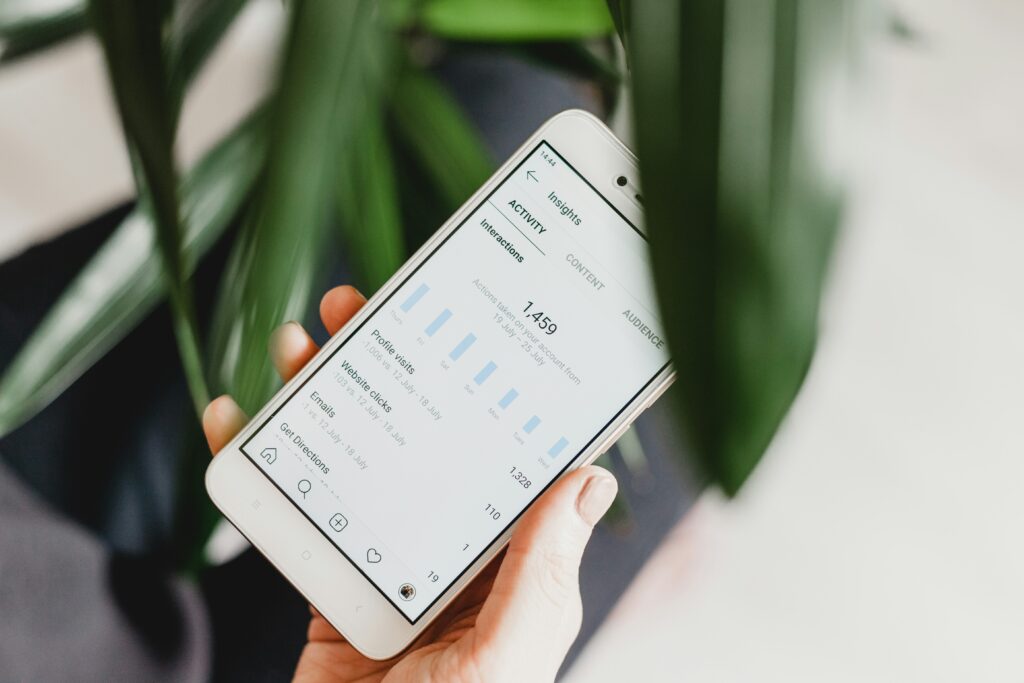
Regular sentiment analysis, which involves categorising comments as positive, negative or neutral and understanding how many of each your business receives, helps you measure brand perception over time. This data-driven approach supports informed decisions about messaging, tone and service improvements, keeping your brand reputation aligned with customer expectations.
Amplifying social proof and influencer partnerships
Social proof plays a major role in shaping consumer trust. When potential guests or shoppers see others endorsing your brand, it reinforces credibility. Sharing authentic testimonials, case studies and reviews across your digital media channels builds confidence and drives conversions.
Partnering with social media influencers who align with your brand values can expand your reach. Choose collaborators with genuine engagement rather than large but passive followings. Their personal connection with audiences often leads to stronger brand advocacy.
| Type of social proof | Example | Benefit |
| Customer reviews | Verified online feedback | Builds trust and transparency |
| Influencer content | Instagram posts featuring your venue | Expands brand reach |
| User-generated content | Customer highlight reels | Creates emotional connection |
Encourage influencers to share their authentic experiences, not scripted promotions. This approach keeps your brand message consistent while maintaining credibility.
Delivering consistent customer support
Your customer service performance directly affects your customer experience and online reputation. Fast, thoughtful responses on social media show professionalism and care. Customers expect the same quality of service online as they do in person.
Set clear response time goals and maintain a unified tone across all social platforms. Use a shared communication guide to keep messaging consistent between your marketing and service teams.
When handling complaints, address the issue publicly first, then move the conversation to private messages if needed. Transparency demonstrates accountability and builds trust.
Training staff to engage positively online ensures every interaction strengthens your brand’s image. Reliable service, both digital and in-person, encourages repeat business and positive feedback.
Encouraging user-generated content and positive reviews
Encouraging user-generated content (UGC) turns satisfied customers into brand advocates. Invite guests and customers to share photos, stories or short videos that capture their experience. Reposting this content on your official channels helps build an online community around your brand.
Offer small incentives such as loyalty points or recognition posts to motivate participation. Customers value being acknowledged and are more likely to engage again.
Highlighting UGC and reviews in your content posting schedule keeps your social feed authentic and relatable. This approach not only boosts engagement but also reinforces your reputation through genuine customer voices.
Responding to feedback and managing public perception
How you handle customer feedback and public opinion directly affects how people view your brand. Active engagement, timely responses and a consistent tone across platforms help maintain trust and protect your reputation in the retail and hospitality sectors.
Handling negative reviews and crisis communication
Negative reviews can quickly influence potential customers, so you need to respond with empathy and professionalism. Acknowledge the issue, apologise where appropriate and explain how you plan to resolve it. This shows accountability and care, key traits in building long-term trust.
Create a crisis communication plan that outlines how your team should act when public perception shifts. Include clear roles, message templates and escalation steps. During a PR incident, respond quickly but avoid defensive language. Training and involving crisis management specialists can help you come out of a major incident with your reputation intact.
Using social listening and monitoring tools helps you identify issues early and address them before they escalate. A transparent, consistent response strategy reassures customers that you value their feedback and are committed to improvement.
Implementing review response templates and automated replies
Structured review response templates save time and ensure tone consistency. They help your team respond quickly while maintaining professionalism. For example, you can prepare templates for common situations such as late service, booking errors or product complaints.
Use automatic responses for initial acknowledgements, then follow up personally. This balance of automation and human touch keeps communication efficient and genuine.
Keep messages short, polite, and solution-oriented to reinforce your brand’s reliability.
Measuring customer satisfaction and loyalty
Tracking satisfaction helps you understand how well your responses improve relationships. Use metrics such as customer satisfaction score (CSAT) and net promoter score (NPS) to measure how customers feel about their experience.
A simple post-visit survey or email follow-up can gather valuable insights. Make it easy for customers to share honest feedback through short forms or rating systems. Advertising this on physical receipts or in email receipts with the offer of entering a prize draw can incentivise customers to provide feedback.
Analyse patterns in your data to identify recurring issues or areas of excellence. For instance, if your NPS drops after a service change, review operations and communication. Continuous measurement helps you align your reputation strategy with customer expectations and build stronger customer loyalty.
Using these metrics is a great way to measure improvements after implementing reputation management measures too.
Frequently asked questions
Reputation management in retail and hospitality requires consistent attention to customer sentiment and proactive communication. You strengthen trust by listening to your audience, responding with care and empowering your team to represent your values effectively. Here, we answer some of the most commonly asked questions around reputation management in hospitality and retail.
What are the best practices for monitoring customer feedback in retail?
Track feedback across multiple channels, including in-store surveys, social media and review platforms. You can use reputation management tools to consolidate and analyse comments in one place, creating an overall score based on customer sentiment.
Set up alerts for brand mentions and monitor trends in customer sentiment. Regular audits help you identify recurring issues and act quickly to maintain a positive perception.
How can we effectively respond to negative reviews in the hospitality industry?
Respond promptly and professionally to all reviews. Acknowledge the customer’s experience, apologise where necessary, and offer a clear solution. Use a calm, helpful tone to show accountability and care.
Avoid defensive language, which can come across as disingenuous. Instead, focus on resolving issues and inviting customers to return for a better experience.
What strategies can be employed to enhance online reputation for retail businesses?
Keep your online listings accurate and up to date, including photos, contact details and business hours. Encourage satisfied customers to share their experiences on trusted platforms such as Google or Yelp.
Collaborating with influencers and using digital PR to reach consumers in the publications they engage with can also reinforce positive perceptions of your brand. When you’re endorsed by people and publications they trust, consumers are more likely to engage with your brand.
How can social media be leveraged to improve brand image in hospitality?
Use social media to highlight positive guest experiences, share behind-the-scenes content and showcase your team’s personality. Engaging posts and timely responses demonstrate your commitment to service quality.
Encouraging user-generated content both from general consumers and through partnerships with influencers can also present a positive image of your brand and the experiences you offer. Consistent engagement helps you strengthen relationships and position your brand as attentive and trustworthy.
How important is employee advocacy in shaping brand reputation for retailers?
Your employees are your most authentic brand ambassadors. When they speak positively about your company, it builds credibility and reinforces your values.
Provide training and internal communication tools that help staff share accurate, brand-aligned messages. A motivated team directly influences how customers perceive your business.
