

Public relations and marketing often work side by side, but many businesses treat them as separate efforts. This approach misses a crucial opportunity.
When PR and marketing teams collaborate closely, they create a powerful partnership that amplifies brand messages, builds deeper audience connections and drives measurable business results that neither discipline could achieve alone.

Rather than viewing these disciplines as competing for budget or attention, forward-thinking organisations recognise that PR’s credibility-building strengths naturally complement marketing’s promotional capabilities.
When your PR team shapes authentic brand stories while your marketing team amplifies them through strategic channels, you create consistency that builds trust.
Here, we’ll cover how strategic alignment between PR and marketing opens new opportunities for brand growth and audience engagement.
Defining the symbiotic partnership of PR and marketing
PR and marketing function as two distinct disciplines that share common goals, creating a partnership where each strengthens the other’s impact. When aligned strategically, they deliver consistent messaging that builds trust and drives measurable results for your brand.
Distinct roles within brand communication
Public relations focuses on building and protecting your reputation through earned media coverage, thought leadership and stakeholder relationships. Your PR efforts create credibility by securing third-party validation from journalists, influencers and industry experts.
Marketing communications concentrate on promoting your products or services through both paid and organic channels to drive sales and conversions. Your marketing team develops campaigns that directly target potential customers with persuasive messaging designed to generate leads and revenue.

These roles complement rather than compete. PR establishes the trust and authority that makes your marketing messages more believable. When potential clients see your brand featured in respected publications, they’re more likely to respond positively to your marketing campaigns.
Shared objectives and strategic alignment
Both marketing and public relations work towards amplifying your brand’s message and reaching your target audiences effectively. Your strategic marketing objectives, whether that’s increasing brand awareness, launching new products or entering new markets, benefit from coordinated PR support.
When you align these functions, you create campaigns that resonate across multiple touchpoints. A product launch backed by both paid advertising and earned media coverage reaches audiences more effectively than either approach alone. Your PR team generates buzz and credibility whilst your marketing team converts interest into action.
This partnership requires regular collaboration between teams. Joint planning sessions ensure both disciplines understand campaign goals, target audiences and key messages. You avoid duplicated efforts and create opportunities for each team to amplify the other’s work. Often, businesses will hire an in-house marketing team and tap into the expertise of a PR consultancy like Polymedia to get the best of both worlds without adding more full-time staff.
Integrating messaging across channels
Consistent messaging across all channels strengthens your brand identity and prevents confusion amongst your audience. When your press releases, social media posts, adverts and website content tell the same story, you build recognition and trust more quickly.
Integrating PR into your marketing strategy ensures unified communications that reinforce your core brand values. Your PR-generated content can be repurposed for marketing channels, whilst marketing insights inform PR story angles that resonate with media outlets.
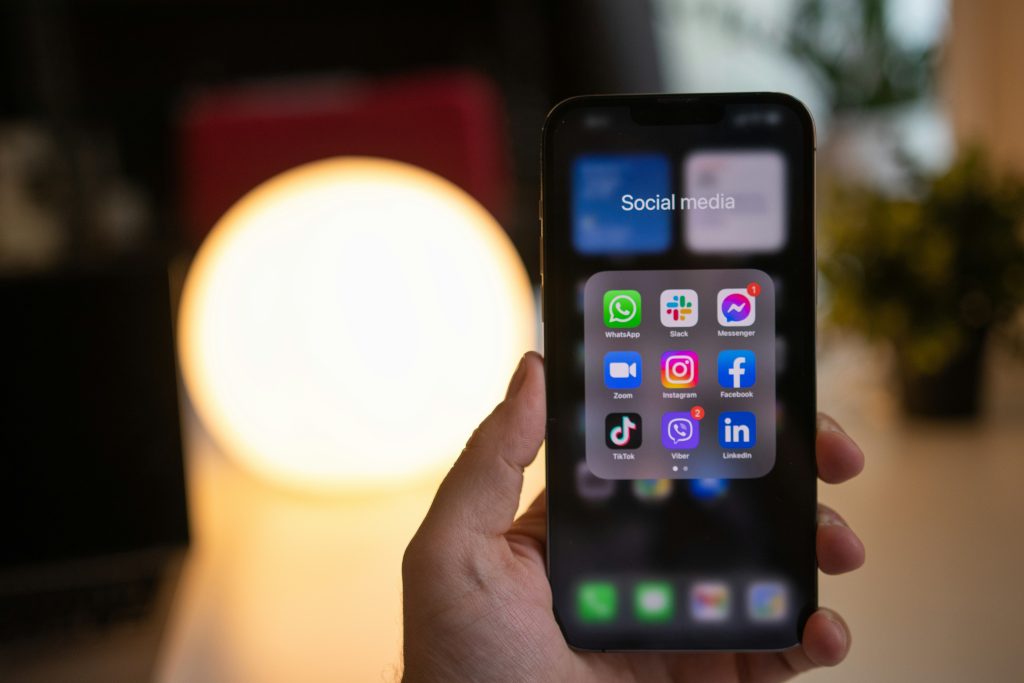
This integration requires shared messaging frameworks and content calendars. Your teams should collaborate on:
- core brand narratives and positioning statements
- key messages for specific campaigns
- visual identity and brand voice guidelines
- content distribution schedules across channels.
When you maintain this alignment, your audience receives coherent messaging whether they encounter your brand through a news article, social media post or paid advertisement.
Key drivers of synergy: how PR and marketing amplify each other
When your PR and marketing teams work together, they create powerful results that neither department can achieve alone. The strongest results come from building brand credibility through consistent messaging and reaching wider audiences through combined channels.
Elevating brand awareness and credibility
Your business’ brand awareness grows faster when PR and marketing work together to create a cohesive communication strategy. Marketing drives visibility through targeted campaigns, whilst PR builds the trust that turns awareness into genuine brand equity.
PR strengthens your brand reputation through earned media coverage and third-party validation. When journalists write about your business, it carries more weight than paid advertising. Marketing then amplifies these PR wins through your owned channels like social media and email campaigns.
Your brand image becomes more consistent when both teams align on core messaging. PR crafts the narrative that positions your brand positively in the public eye. Marketing reinforces this narrative through content creation and promotional activities.
Key benefits include:
- enhanced credibility through media endorsements
- stronger brand recognition across multiple touchpoints
- improved trust amongst potential customers
- greater brand equity built over time.
Unified storytelling and narrative creation
Your brand story becomes more powerful when PR and marketing share the same narrative foundation. PR manages your reputation through strategic storytelling in press releases and media relations. Marketing transforms these stories into customer-focused content that drives action.
Content creation works best when both teams contribute their expertise. PR brings credibility and newsworthy angles whilst marketing understands what informs converts audiences. Together, you work on a content marketing strategy that both informs and persuades.

Your messaging stays consistent across all platforms when teams coordinate their efforts. PR might secure media coverage about your latest initiative while marketing creates supporting social media content and blog posts. This reinforcement helps your key messages stick with audiences.
The narrative you build should serve both reputation management and sales objectives without compromise.
Maximising media coverage and digital reach
You can expand your media coverage significantly when PR secures placements that marketing can then amplify. A single press release distributed through PR channels can generate articles that your marketing team shares across social media, email newsletters and paid advertising.
Your digital reach grows through strategic coordination. PR builds relationships with journalists and influencers whilst marketing optimises content for search engines and social platforms. These complementary approaches ensure your brand appears where your audiences spend time.

Combined channel strategy:
| PR channels | Marketing channels |
| Media outlets | Social media platforms |
| Industry publications | Email campaigns |
| Press releases | Blog content |
| Journalist relationships | Paid advertising |
Your social media presence can become more authoritative when you share earned media coverage alongside promotional content. This mix of paid, owned and earned media creates a comprehensive digital footprint that increases brand credibility whilst driving measurable results.
Stakeholder and audience engagement

You can improve stakeholder engagement when PR and marketing coordinate their outreach efforts. PR traditionally manages relationships with investors, media and community leaders whilst marketing focuses on customers and prospects. When these efforts align, you create stronger connections across all groups.
Community engagement becomes more meaningful when both teams contribute. PR might organise events that strengthen your local presence whilst marketing ensures these initiatives reach the right audiences through targeted promotion. This coordination maximises participation and impact.
You can deepen your audience engagement through consistent interaction across channels. PR responds to media enquiries and manages crisis communications whilst marketing handles customer questions on social platforms. Together, your two teams maintain a unified voice that builds trust.
Innovative practices and benefits of integration
Modern integration techniques use data analytics to optimise campaign performance, establish unified crisis response protocols and coordinate influencer partnerships across multiple platforms for maximum reach and authenticity.
Data-driven campaign management
Your integrated approach transforms how you measure and optimise your performance across PR and marketing channels. By combining market research with digital analytics, you can track how earned media coverage influences website traffic, email marketing engagement and conversion rates in real-time.

Key metrics to monitor include:
- media impressions and sentiment scores
- website referral traffic from press coverage
- social media engagement rates
- customer engagement patterns across different touchpoints
- search engine visibility improvements.
This data reveals which messages resonate with your audience and where to allocate resources. When you connect your communications strategy with digital advertising platforms, you create feedback loops that inform future campaigns. Your team can identify which PR angles drive the most engagement and adjust messaging accordingly.
Crisis communications and reputation safeguarding
PR and digital marketing teams operating as a unified force can strengthen your crisis management efforts; especially when you enlist a specialist PR consultancy like Polymedia. When reputation threats emerge, you need coordinated responses across all channels simultaneously, from press statements to social media updates to paid digital media.
An integrated team responds faster because communication protocols are already established. Your PR specialists craft the core messaging whilst your digital marketing team pushes updates through email marketing, social channels and search-optimised content. This coordination prevents mixed messages that could worsen the situation.
Your crisis response checklist should include:
- unified messaging across all platforms
- real-time social media monitoring
- coordinated email communications to stakeholders
- updated website content reflecting your position
- paid advertising pauses or adjustments.
The relationship between PR and marketing ensures you control the narrative rather than react to it. Your team can quickly deploy targeted digital advertising to counter misinformation whilst traditional PR efforts manage media relationships and official statements.
Influencer marketing and multichannel activation
Your influencer marketing efforts can be enhanced when PR expertise meets digital marketing precision. Rather than treating influencers as separate from your broader communications strategy, integration allows you to identify voices that align with both brand values and campaign objectives.
You can coordinate influencer content with press releases, digital media campaigns and customer engagement initiatives. When an influencer partnership launches alongside earned media coverage and targeted digital advertising, your message reaches audiences through multiple trusted sources simultaneously.
Effective multichannel activation includes:
| Channel | Integration opportunity |
| Influencer partnerships | Coordinate timing with press announcements |
| Social media | Amplify earned media through paid promotion |
| Email marketing | Share influencer content with subscribers |
| Digital advertising | Retarget audiences exposed to influencer posts |
Your integrated PR and marketing strategy lets you negotiate better influencer agreements because you’re offering comprehensive exposure beyond single posts. You’re building genuine relationships that generate authentic content whilst maintaining strategic control over timing and messaging across all platforms.
Frequently asked questions
Businesses often need clarity on how to maximise the value of combining PR and marketing functions. These questions address practical considerations for integration, measurement and strategic alignment between the two disciplines.
How can public relations enhance the effectiveness of an existing marketing strategy?
Public relations strengthens your marketing strategy by building credibility and trust with your target audience. When you integrate PR into your marketing efforts, you create a more cohesive communication strategy that amplifies your brand message across multiple channels.
PR generates earned media coverage that adds third-party validation to your marketing claims. This validation makes your promotional messages more believable and effective. Your audience is more likely to trust a journalist’s recommendation or a feature article than a paid advertisement.
PR also helps you shape the narrative around your brand before your marketing campaigns launch. By establishing positive brand perception through media relations and thought leadership, you create a receptive environment for your marketing messages. Your campaigns perform better when audiences already recognise and trust your brand name.
What role does strategic communication play in aligning PR efforts with marketing objectives?
Strategic communication serves as the foundation for ensuring your PR and marketing teams work towards the same business goals. You need consistent messaging across all channels to avoid confusing your audience or diluting your brand identity.
When you develop a strategic communication framework, you establish clear guidelines for how your brand speaks to different audiences. This framework ensures that your PR team’s media pitches complement your marketing campaigns’ promotional content. Both teams reference the same core messages, brand values and positioning statements.
Streamlined communication between PR and marketing prevents miscommunication and ensures all messaging aligns with your business objectives. You can quickly coordinate responses to market changes or competitive threats when both functions operate from a unified strategy.
How do PR activities complement digital marketing campaigns for brand amplification?
PR activities generate valuable content and media coverage that boost your digital marketing performance. When your brand receives media mentions generated from digital PR, you can share these stories across your social media channels, email newsletters and website to extend their reach.
Media coverage from PR efforts often includes backlinks to your website, which improves your search engine rankings. This supports your SEO strategy without requiring paid advertising spend.
PR-driven thought leadership content can be optimised for search engines whilst maintaining journalistic credibility. You attract more qualified traffic when you publish expert commentary that ranks well in search results. A harmonious relationship between PR and digital marketing ensures your content reaches audiences through both earned and owned channels.
Your PR team can also generate buzz around product launches or marketing campaigns, creating momentum that drives traffic to your landing pages. Social media engagement increases when you combine paid promotions with earned media coverage.
What are the key considerations for measuring the success of combined PR and marketing initiatives?
You need to establish shared metrics that reflect both PR and marketing outcomes. Traditional PR metrics like media impressions can connect to marketing performance indicators such as website traffic, lead generation and sales conversions.
Track how media coverage drives specific business actions. Monitor referral traffic from media placements to understand which PR activities generate the most valuable website visitors. You can attribute leads and sales to specific media mentions using tracking parameters and analytics tools.
Consider measuring share of voice compared to competitors in both earned and paid media channels. This gives you a complete picture of your brand’s market presence. You should also track sentiment analysis to ensure your combined efforts maintain or improve brand perception.
Budget efficiency becomes a critical metric for integrated campaigns. Calculate your cost per acquisition across both PR and marketing activities to identify which tactics deliver the best return on investment. You can then optimise spending, as you’ll be able to understand how different channels work together to move prospects through your sales funnel.
