

Public relations is a practice that has stood the test of time for good reason. But it hasn’t stayed stagnant over the years; instead, its tactics and goals have evolved with the times.
In 2026, brand credibility and trust is more important to public relations than ever before. With the rise of misinformation both from AI and bad actors using dark public relations tactics, the public is more sceptical of business communications than ever before.
Modern PR is still ultimately a strategic communication process that builds mutually beneficial relationships between businesses and their audiences. The fundamental principles of trust, authenticity and compelling narratives remain as critical as ever. But your PR strategy today needs to address challenges that didn’t exist even in the recent past.
Here, we’ll help you understand what public relations looks like in 2026, from its evolving definition to the practical challenges your team will face daily.
Redefining public relations in 2026: core principles and evolving scope
Public relations is a strategic discipline that combines data-driven insights with authentic storytelling. Ultimately, it focuses on maintaining the human relationships central to building trust and managing your organisation’s reputation.
Strategic communications and reputation management
Strategic corporate communications in 2026 require you to blend precision analytics with human judgement. Previously, public relations largely involved responding reactively to crises and pushing out press releases. Now, you’ll be using predictive tools to identify potential reputation risks before they surface and timing your press releases precisely.
In 2026, strategic priorities in public relations include:
- building authentic narratives that align with your organisation’s values
- monitoring public perception across multiple channels simultaneously
- creating content that speaks directly to specific target audiences
- integrating earned media strategies with owned media.
Relationship building is still a key component to PR, but the scope has expanded beyond traditional media outlets to include niche publications and influencers who command engaged audiences.

The skills and standards required of the modern PR professional
Public relations professionals today need a broader skillset than ever before. PRs need to combine traditional media relations expertise with digital literacy, data analysis capabilities and strategic thinking.
Your technical skills should include working with tools that measure sentiment analysis and offer audience insights. Creativity, empathy and authentic relationship building remain irreplaceable human qualities that define successful PR work.
You’re expected to maintain transparency, avoid dishonest practices like greenwashing and ensure your communications serve the public interest alongside your organisational goals.
Essential competencies for 2026:
- Data interpretation and predictive analytics.
- Content creation across multiple formats and platforms.
- Crisis management with proactive media monitoring and real-time response capabilities.
- Understanding of user experience and digital engagement.
Public relations channels: media, digital and social platforms
Your channel strategy must now account for a fragmented media landscape where traditional outlets coexist with hundreds, if not thousands, of micro-media sources. Niche digital media and social platforms are now integrated into every aspect of media communication.
You’ll achieve better results by securing coverage in smaller, targeted publications that reach your exact audience rather than only chasing broad mainstream exposure. This approach requires building relationships with diverse creators whilst maintaining connections with established media outlets. A blend of both is best, but you need to be strategic in your approach.

Digital platforms enable you to own your narrative through direct content development. You can now enhance your press releases with industry podcasts, niche video content and interactive experiences that engage your audiences in different ways.
Media management in 2026 means coordinating messages across earned, owned, shared and paid media simultaneously. You’ll be monitoring sentiment on social media while pitching stories to journalists and creating original content for your owned media platforms. You need to have your finger on the pulse at all times, which is where an external PR partner with larger resources becomes more essential.
Modern challenges and opportunities in PR in 2026
Now, let’s take a look at some key challenges that have taken over PR in 2026. Naturally, AI is dominating the conversation, but we also have other factors like media fragmentation and the increased need for authenticity to contend with.
AI and automation: impact on PR workflows
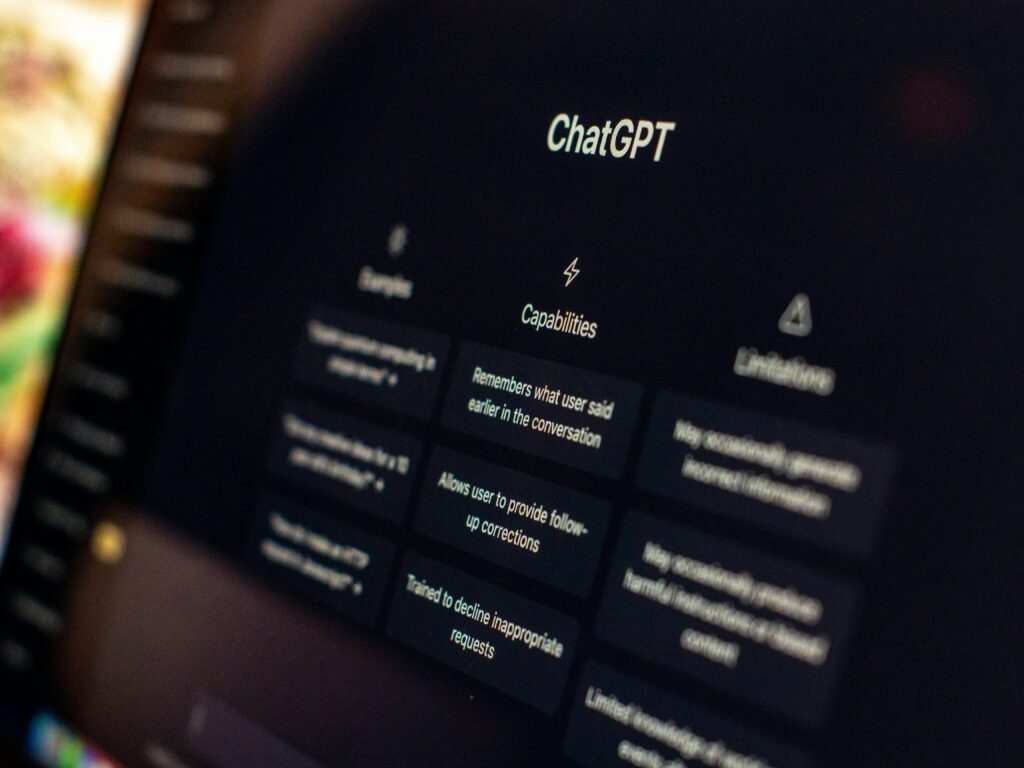
AI has fundamentally changed how businesses and PR teams operate – but not always for the better. Businesses that have let go of real human talent in favour of purely AI-based operations are realising that it’s not working. Because, while AI tools can help PRs draft press releases faster, track media coverage and analyse public opinion at scale, it cannot replace human judgment.
Generative AI can assist with routine tasks like writing pitch emails, creating social media campaigns and monitoring brand mentions, but audiences are getting smarter at spotting AI-generated content. This also goes for the misinformation generated by AI, often referred to as AI hallucinations. Businesses need to be more careful than ever of the content they’re putting out because of the risks to their reputation.
AI simply cannot replace the human touch in PR. Humans create emotional connections in a way that generative models can’t. You still need to understand your societal and business context, choose the right message for your audience and deliver messages with humanity.
Crisis comms and reputation management also require strategic thinking that technology can’t provide. Media production and client management can benefit from automation, but building genuine relationships with journalists and maintaining your brand image depends on your expertise and intuition.
Building brand credibility and authenticity amid media fragmentation
Trust has become harder to earn. The use of AI, and ensuing misinformation, has ramped up spectacularly in just a short year or two, and it’s making consumers and business contacts more suspicious than ever. Media ethics matter more now than ever before. Then, we also need to take into consideration where people are getting their news.
Over half of adults get news from social media accounts, whilst others rely on local or national news websites or traditional outlets. This split makes unified communication more challenging. You need to tailor your approach for different platforms while maintaining consistent messaging.
There are a few ways you can adapt:
- Respond quickly and honestly during issues.
- Provide data-driven information journalists trust.
- Work with authentic voices through influencer marketing.
- Avoid reputation laundering or misleading tactics.
Measuring PR in 2026
Business leaders expect PR to deliver measurable results. And with all the analytical tools available at our fingertips, it’s easier than ever to prove the value of public relations.
The Barcelona Principles provide a framework for measuring PR impact. You should track outcomes like website traffic, lead generation, and sentiment shifts rather than just counting articles.
Here are some metrics you should be tracking in 2026:
- Media coverage quality: backlinks, publication reach, domain rating, audience demographics
- Engagement rates: social media shares, comment sentiment, click-through rates
- Business impact: leads generated, sales influence, customer acquisition cost
Content marketing and social media marketing efforts must connect to revenue goals. When you can demonstrate that earned media drives specific business outcomes, you can justify your budget and secure resources for future campaigns.
Frequently asked questions
Public relations in 2026 has the same core principles it has always had, but comes with more challenges around trust and credibility. Here, we answer some of the most commonly asked questions around what PR looks like in 2026 and how you can achieve success with it.
How can strategic public relations help businesses achieve their goals in 2026?
Strategic PR places your business where your audience actually spends their time online. You can gain visibility through earned media coverage, thought leadership content and strategic partnerships that build credibility.
PR helps you cut through digital noise by securing placements in trusted publications and platforms. When journalists cover your story or industry experts reference your work, you benefit from third-party validation that advertising simply cannot replicate.
How does public relations contribute to brand reputation and crisis management right now?
Your reputation comes from whether customers trust you enough to buy from you. PR helps you build this trust by securing credible media coverage, managing your narrative across different channels and demonstrating your values through consistent communication.
Crisis management has shifted from reactive to predictive in 2026. You can now benefit from monitoring systems that detect potential issues before they escalate, along with prepared response strategies across all your communication channels.
Brand reputation management now operates 24/7, requiring rapid response coordination across social media, digital platforms and traditional media simultaneously. When crisis strikes, transparent and empathetic crisis management communications protect your brand.
What are the primary services offered by top-tier PR consultancies to ensure a client’s message resonates with its intended audience?
Top PR firms like Polymedia provide media relations and digital PR services that build relationships with, and secure coverage in, the publications your target audience trusts. You receive strategic counsel on messaging, positioning, and timing to maximise impact.
Content marketing services transform your key messages into various formats suitable for different channels. Your PR firm should produce press releases, thought leadership articles, videos and social media content that maintains consistent messaging.
Crisis communications planning prepares you for potential reputation threats before they occur. Through your PR firm, you’ll gain access to experienced advisors who can develop response protocols for different scenarios, react quickly and train your spokespeople.
Top-tier public relations consultancies ultimately build credibility by securing media coverage that resonates with audiences and gets recognised by search engines. They help your business become discoverable, trustworthy and relevant in the places your audiences spend time.
How has the evolution of social media platforms transformed traditional public relations tactics?
Social media marketing has given brands more opportunities to reach and engage with their audience, but it requires immediate and authentic communication. You can no longer rely solely on polished press releases distributed through traditional means.
Social media sites now function as additional publishing streams where you can control your narrative directly. Your social media PR strategy must include real-time monitoring, community management and rapid response capabilities to be successful.
The shift from mega-influencer marketing to micro- and nano-influencers reflects audiences’ preference for authentic voices over traditional celebrity endorsements. You can achieve higher customer trust and engagement by partnering with creators who genuinely align with your brand values.
Video has become a primary storytelling format across social platforms and should factor into your social media management. Your PR campaigns need multi-cut strategies that adapt core content into platform-specific formats, from short clips for TikTok to longer narratives for YouTube.
Social listening tools can detect shifts in sentiment before they become trends. You can pivot your messaging instantly based on real-time feedback rather than waiting for traditional media coverage to reveal audience reactions.
What is the significance of metrics and analytics in measuring the success of a public relations campaign?
Analytics mean you can now show upper management that PR is a quantifiable business driver. You have the ability to track engagement, reach, sentiment and conversions to prove your campaigns deliver measurable value.
Real-time dashboards provide a single source of truth for your multi-channel public relations performance. You can see which messages resonate, which outlets drive traffic and which tactics generate leads or sales. Importantly, your analytics should connect PR activities to pipeline growth, customer acquisition costs and revenue attribution.
Proving ROI has never been easier. Using a range of tools, you can demonstrate how your communication efforts contribute directly to business goals, securing continued investment and executive support for your programmes.
