
Creating an effective media kit helps you present your brand clearly and professionally to journalists, influencers and potential partners.
It acts as a snapshot of who you are, what you offer and why your story matters. A well-designed media kit gives you a strategic advantage by showing your value with clarity, consistency and confidence.
As experts in public relations and creating lasting relationships with media outlets and partners alike, we’re going to walk you through a step-by-step guide to creating a media kit.
We’ll show you how to define your target audience, shape your brand story and present essential content that strengthens your brand identity. With steps covering design choices, layout, testimonials and best practices, we’re giving you the tools to build a complete, results-driven media kit that supports your communications goals.
1. Define your target audience to tailor your media kit effectively
Before building your media kit, identify exactly who you want to reach. Understanding your target audience helps you decide what content and design will make the strongest impression.
You can start by analysing demographics, interests, and professional backgrounds using data-led research market methods. Build customer personas to help you understand what will resonate with each audience segment.
When you truly understand your audience, you can choose language, brand visuals and case studies that speak directly to their needs.

When pitching journalists and editors, a specific media kit tailored to their audience is a good idea and shows why your business is the perfect fit. This tailored approach shows that you value their time and understand their priorities.
Media kits for pitching to journalists might focus on key facts and press-ready media assets, but if you’re pitching to influencers or potential partners, you might want to highlight brand collaboration opportunities and past successes.
Consider where your audience consumes information. Insights from your customer personas can help you map the best communication platforms. This ensures your media kit not only captures attention but also reaches the right people in the right places.
2. Craft a compelling brand story
Your brand story gives your media kit its personality and purpose. It explains why your business exists and how it delivers value. A clear and authentic story helps journalists, partners and potential clients understand your mission and helps you build stronger relationships.
Start by laying out your brand’s origin, values and goals. Focus on the problem you solve and the difference you make. Keep your narrative concise and consistent, choosing language that reflects your tone and market position. Stories that align with audience values foster loyalty and long-term engagement.
Support your story with real examples or milestones that demonstrate progress and impact. Show your audience how your journey has shaped what you do today. When you tell your story with clarity and authenticity, your media kit becomes a tool for genuine connection.
3. Include high-resolution brand logos and professional images
Your visuals play a vital role in how journalists and partners perceive your brand. High-quality images and brand logos make your media kit look credible and well-prepared. Clear, professional visuals also help others present your brand accurately and consistently across different platforms.
Use crisp, high-resolution versions of your company logo, leadership headshots and product or service photos. Every file should be easy to download and ready for publication. All of your graphic assets should be optimised so they display clearly, whether viewed on a screen or in print.
Stick to images that reflect your brand’s identity and values. Make sure lighting, composition and background all align with your overall aesthetic. When your visuals convey the same tone as your written content, your brand appears more unified and trustworthy.
As well as including company and product images, consider including photography that highlights your team or workplace to add a personal touch. Journalists appreciate a look behind the brand, and these photos can make your story more engaging. Keep everything organised in clearly labelled folders so your media kit feels simple, professional and ready for use.
4. Present key statistics and audience demographics clearly
Your media kit should make key numbers easy to view and understand at a glance. Use concise visuals such as charts or infographics to highlight audience size, social media engagement rates, social proof and business highlights. Clean design and thoughtful colour choices help your statistics stand out and remain easy to read.
Focus on the insights that matter most to potential partners or sponsors. Share information about your audience’s ages, gender split, occupations and locations to build a clear picture of who engages with your brand.
Keep your presentation honest and simple. Use consistent metrics across all sections, and avoid cluttered layouts or overwhelming data dumps. Presenting facts in a clear and structured way helps others grasp your reach and influence quickly.
5. Showcase recent media coverage and notable press mentions
Include a clear section in your media kit highlighting recent coverage in reputable media outlets. This demonstrates that trusted media already recognise your brand’s value and story. This type of social proof shows journalists that your story has been validated by credible sources.
Select media coverage that aligns with your brand’s current positioning and target market. Focus on respected media outlets, interviews or online features that speak directly to your audience. Briefly summarise each highlight and include links to the full articles where possible.
Keep this section easy to navigate. Use brand-consistent visuals such as publication logos, pull quotes or product reviews to attract attention while maintaining a professional design. Don’t forget to regularly update this area so it accurately reflects your latest achievements.
By strategically presenting strong media mentions, you reinforce your credibility, helping potential partners and journalists understand the impact you’ve already made and how you can support them.
6. Highlight your unique selling points and value proposition
Your media kit should make clear why your brand stands out. Focus on what sets you apart from competitors and how your products or services meet real customer needs. A strong message about your value helps partners and journalists understand your position in the market.
Define your unique selling points by identifying what you do better, faster, or more efficiently than others. Use measurable facts where possible, such as proven results, client feedback or growth figures, to reinforce your credibility. Keep language factual and easy to digest.
Explain your value proposition in one clear sentence that shows how you deliver distinct benefits. Avoid industry jargon and empty claims. The goal is to help your audience immediately grasp both the reason your brand exists and the value it provides.
Once defined, make these points visible across your media kit, from your company overview to case studies. Consistency ensures that every reader recognises the same key messages about your brand’s strengths and purpose.
7. Add product or service descriptions where required
If you’re looking for coverage or brand partnerships for your products or services, your media kit should clearly explain what you offer and why it matters. Provide a concise overview of each product or service, focusing on its purpose, features and benefits. This helps journalists, partners and investors understand your brand value at a glance.
Use plain, factual language rather than marketing slogans. Describe your products in a way that supports your wider business story. For example, include brief performance metrics, specifications, or use cases to show practical value. Framing these details in a structured format makes your media kit more professional and easier to review.
If you offer a range of services or products, organise them logically. Group similar items together or list them by category. Visuals such as product photos or short demo links can reinforce your descriptions. Presenting your information in this way helps media contacts and potential collaborators grasp your expertise quickly and accurately.
8. Provide clear contact information and social media links
Your media kit should make it effortless for journalists, partners or influencers to reach you. Include your email address, direct phone number and business address so there’s no confusion about how to get in touch.
Add links to your website and active social media profiles. They give your audience insight into your brand tone and recent updates. They can also explore more information on these platforms, giving them the freedom to add in more context as they see fit.
Keep clean design in mind; contact details should be easy to spot without cluttering the page. Use consistent formatting to reflect your brand identity, as a well-structured presentation supports clarity and makes every interaction smoother.
Regularly check that all links and contact information remain up to date. Even small errors can cause missed opportunities, so treat this section as a live part of your media kit.
9. Design a clean, visually engaging layout aligned with brand identity
Your media kit should visually reflect who you are as a brand. Use colours, fonts and imagery that match your overall design system. A consistent look helps readers instantly recognise your materials and strengthens brand trust. Keep the layout simple so key information stands out without distractions.
Use plenty of white space to make each section easy to scan. Short paragraphs, clear headings and visual cues such as icons or pull quotes can guide your reader’s attention. A strong visual identity reinforces your professionalism and keeps your communications coherent across all channels.
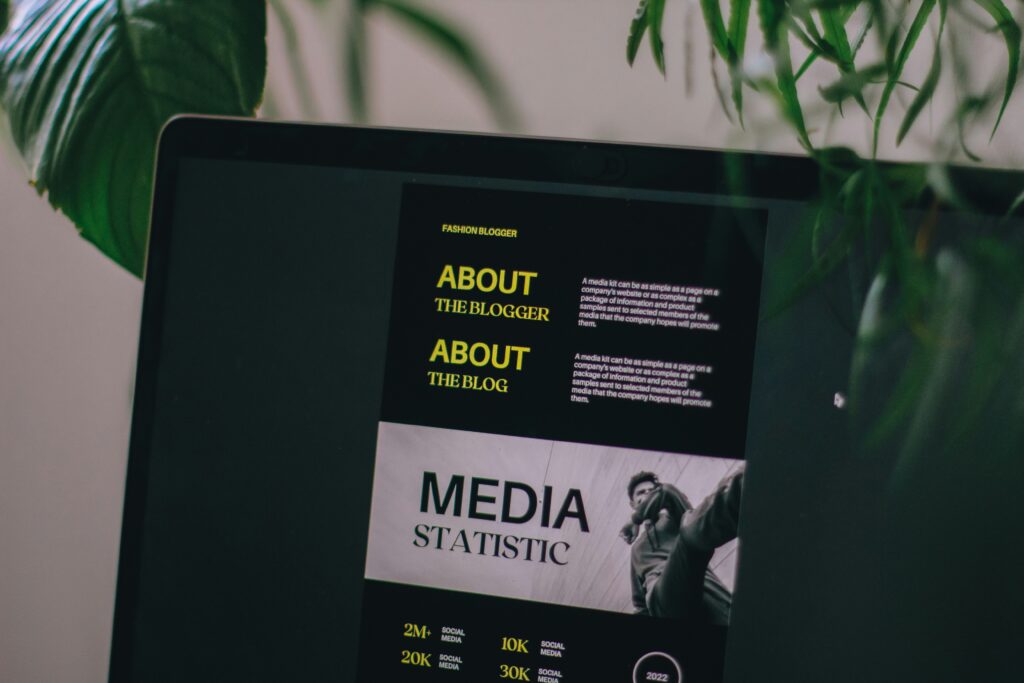
When designing your layout, test how it appears on both digital and print formats. Consistency across platforms builds familiarity and supports brand recall. Regularly review your design elements to ensure they stay aligned with your visual identity guidelines.
Your goal is to make the media kit easy to navigate and visually appealing, while clearly expressing your brand’s essence. Thoughtful design choices show attention to detail and communicate confidence in your brand story.
10. Incorporate testimonials from clients or partners
Testimonials and client logos show potential collaborators that your brand delivers on its promises. They offer credible proof of your results and the value you provide. Including a few concise, authentic quotes adds weight to your media kit and makes it more persuasive.
Choose testimonials that highlight specific results or experiences. For instance, one client might describe how your campaign boosted their brand reach or improved engagement metrics. Use direct quotes with names and key demographic information wherever possible to increase credibility.
Well-placed, genuine feedback builds trust quickly. When a potential partner reads consistent praise from real clients, they are more likely to see you as a reliable collaborator worth connecting with.
Frequently asked questions
A professional media kit helps you present your brand’s story, data and achievements in a format that appeals to journalists, influencers and partners. It should balance design with substance, showing clear facts, polished visuals and concise information that supports your brand’s credibility.
What essential elements must be included in a professional media kit?
Include your company overview, mission statement, high-resolution logo, professional imagery and contact details. Add key statistics, audience demographics and product or service highlights. Incorporating a fact sheet and FAQs can also help media contacts quickly locate critical details.
Your media kit should also feature recent press coverage, testimonials and links to your social media platforms. Presenting these elements in a consistent, branded style strengthens recognition and professionalism.
How can you tailor a media kit to specific press or media targets?
Research each media outlet and identify what content they prioritise. Adjust your messaging, tone and examples to align with their readership or audience. Digital media kits now also serve influencers and content managers, so flexibility and relevance are key.
Use custom quotes, case studies or data that reflect that publication, influencer or business audience’s interest areas. This targeted approach shows awareness of their needs and boosts your chances of coverage.
What are the best practices for formatting and designing an impactful media kit?
Clarity and layout matter as much as content. Use clean formatting with plenty of white space, readable fonts and professional graphics. Using consistent colours and layouts helps you maintain brand cohesion.
Keep your file size manageable while ensuring images remain sharp. A visually engaging, easy-to-navigate design encourages journalists and potential partners to use it and makes your information accessible at a glance.
How can I effectively showcase achievements within a media kit?
Highlight measurable success such as growth figures, client wins or award nominations. Include short quotes from press features or client testimonials. Visual elements like charts or concise infographics can help present these results clearly and credibly.
Featuring recent achievements helps establish trust and credibility, especially for startups seeking stronger media traction. Position your results where they catch immediate attention.
How often should I update my media kit to ensure it remains relevant?
Review your media kit quarterly or whenever you launch new products, update your branding or achieve milestones. Outdated figures and visuals reduce credibility, so it’s important to keep on top of it. Refresh sections like company stats and press coverage with your latest coverage and verified data.
Regular updates reinforce your professionalism and ensure media contacts always have current, accurate details to reference.
What strategies should I employ to distribute a media kit for maximum engagement?
Share your media kit through your website’s press page and include a link in your email signature or newsroom updates. When pitching to journalists, attach a lightweight PDF or provide a secure link to an online version.
Using digital tools like hosted press kits can streamline access and design. Tracking downloads and engagement metrics can help you identify which channels deliver the best exposure.
