

A PR retainer can run into thousands of pounds a month, so it’s fair to ask what that money is actually buying. Some of it goes on strategy work that happens before a single journalist is contacted. Some of it pays for the ongoing craft of building relationships, writing well and creating opportunities for your business to be seen and quoted.
What does a PR company do for that fee? Broadly, it combines strategic planning, media relations, content creation and reputation management into a programme designed to build credibility that advertising cannot buy. The value depends on how clearly the scope is defined and how well you and your agency work together.

This article sets out what should happen at each stage of a PR engagement, from the groundwork before outreach begins to the reporting that tells you whether it’s working.
Contents
What you should be paying for before outreach begins
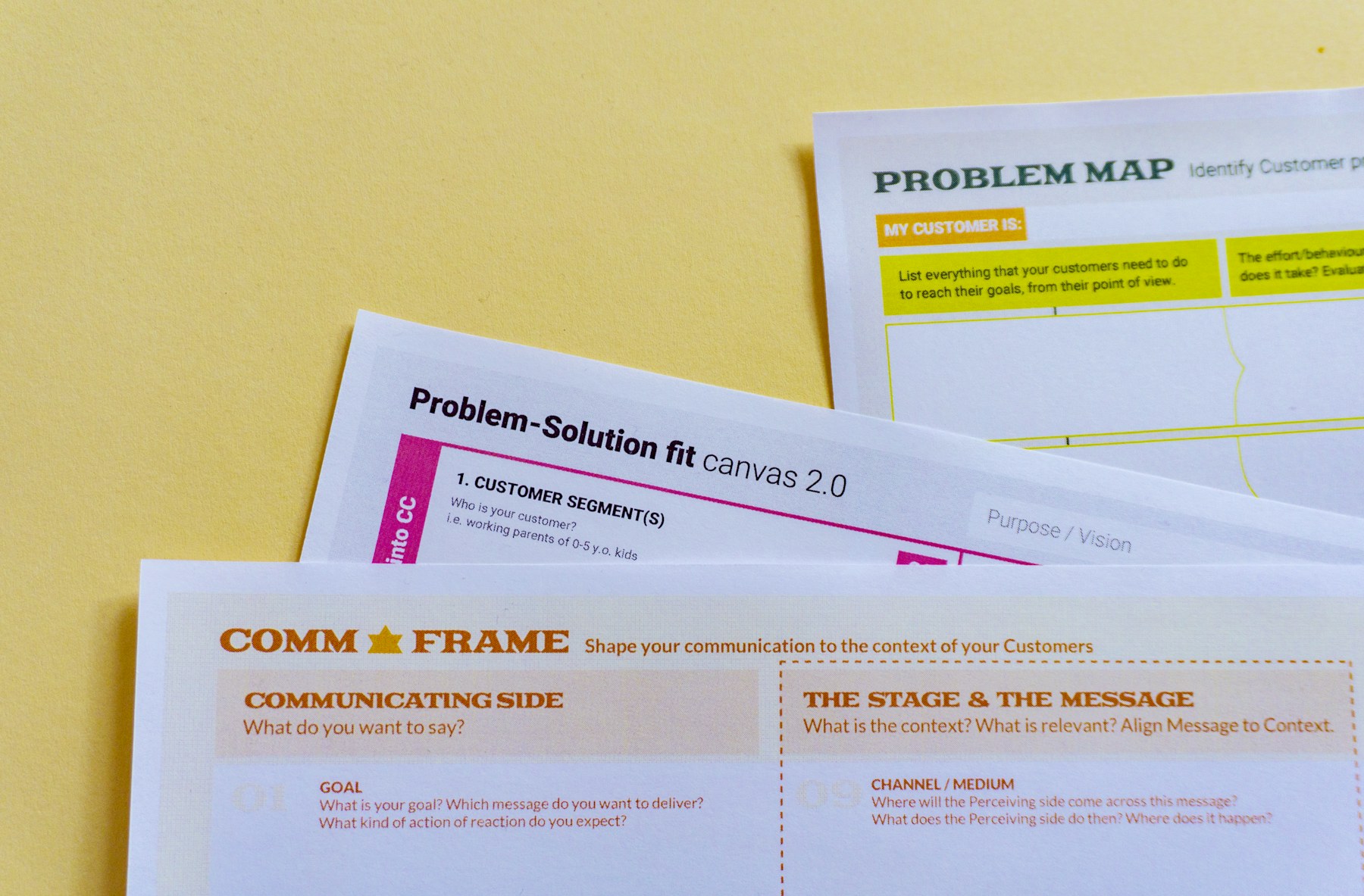
Good PR work starts with strategy, not activity. Before any journalist is contacted, a competent agency should be helping you clarify commercial objectives, define your audiences, build a brand narrative and agree the messages that will run through everything that follows.
Starting with commercial objectives and audiences
PR strategy has to connect to business goals, not just visibility for its own sake. That means asking what you actually want: more qualified leads, stronger sales support, better brand awareness among a specific buyer group, or credibility ahead of a fundraising round.
For B2B companies and startups, this stage also means identifying who needs to hear from you. A campaign aimed at procurement directors looks nothing like one aimed at consumers, and confusing the two wastes budget on the wrong publications and platforms.
Building a clear brand narrative and positioning
Brand positioning gives journalists and customers a reason to care. Without it, press releases and pitches read as generic noise rather than a distinctive point of view.
This work involves defining brand messaging that’s consistent across every channel, alongside brand storytelling that makes your business memorable rather than interchangeable with competitors offering similar services.
Creating strategic narratives, messages and a PR strategy
Strategic narratives translate your positioning into themes a PR team can pitch repeatedly. A written PR strategy should set out priority audiences, core messages, target media and realistic timelines, tying the communications plan to marketing and sales activity rather than running as a separate workstream.
Agreeing scope, priorities and campaigns
Before work begins, scope should be agreed in writing: which sectors and campaigns take priority, what’s included in the retainer, and how success will be judged. Polymedia’s approach to strategic PR for consumer and B2B clients begins with exactly this groundwork, aligning commercial objectives and audiences before any tactics are chosen.
The day-to-day work that generates credibility and coverage

The ongoing work of a PR agency centres on earning media coverage, creating useful content and building the executive visibility that makes a business look authoritative. This is where retainer fees translate into press coverage, thought leadership, speaking opportunities and the digital PR activity that supports search visibility.
MEDIA RELATIONS
Media relations and targeted journalist outreach
Media relations means building genuine relationships with journalists who cover your sector, not blasting generic press releases to long, untargeted media lists. Effective journalist outreach depends on understanding what each outlet and reporter actually wants, then pitching only when there’s a real story.
This groundwork is what separates agencies that generate consistent editorial coverage from those that produce occasional, disconnected hits. Polymedia’s media relations work is built on maintained journalist relationships across national, trade and regional media, developed over more than three decades.
CONTENT
Press releases, pitches and useful content
Press releases remain a core tool, but only when they carry genuine news value. Alongside releases, agencies typically produce blog posts, case studies and expert commentary that give journalists and audiences a reason to engage.
Content creation supports media inquiries too: having case studies and data ready means a spokesperson can respond quickly when a journalist needs comment.
EXPERTISE
Executive visibility and thought leadership
Founder PR and thought leadership build authority for named individuals within your business, not just the brand. Bylined articles, expert commentary and speaking opportunities at conferences all raise executive visibility with the audiences that matter, including investors and analysts where relevant.
For B2B companies particularly, third-party validation from respected publications carries more weight than paid promotion, adding brand credibility that also supports talent attraction.
OPPORTUNITIES
Launches, events and stakeholder opportunities
Product launches and event PR need coordinated planning across media, content and stakeholder communications. This might include analyst relations and investor relations activity alongside consumer or trade press work, particularly for businesses operating internationally where global PR requires local media knowledge.
DIGITAL PR
Digital PR that supports search visibility
Digital PR combines earned coverage with content designed to support SEO, generating backlinks and domain authority alongside traditional press mentions. As search behaviour shifts, agencies are increasingly considering AI search visibility too, since being cited as a credible source can influence how AI tools surface and summarise information about a brand.
Polymedia’s digital PR service pairs earned online coverage with content built for both search visibility and long-term brand credibility, without ever promising guaranteed rankings or links.
How to judge value and make the partnership work

PR value should be judged against agreed KPIs that connect coverage quality and reach to genuine business progress, not against vanity metrics like advertising value equivalency. A clear evaluation framework, agreed at the outset, is what turns a retainer into something you can hold an agency accountable for.
Measuring quality, reach and business-relevant progress
Coverage quality and audience reach matter more than volume alone. Share of voice against competitors, sentiment analysis and consistent media monitoring give a fuller picture than counting press cuttings.
AVE has fallen out of favour across the industry because it inflates perceived value without reflecting actual influence or business impact. Agreeing KPIs tied to brand awareness, lead quality or reputation shifts gives both sides something meaningful to review.
Review meaningful signals
- Quality and audience reach
- Share of voice and sentiment
- Brand awareness, lead quality or reputation
Protecting reputation when scrutiny increases
Reputation management becomes urgent the moment negative press or a crisis hits. A capable agency should have crisis communication plans ready before they’re needed, including holding statements and media training for spokespeople who may face difficult questions.
Crisis PR and crisis management call for rapid, coordinated response, not improvisation. Polymedia’s crisis management support covers preparation, scenario exercises, training and recovery, so businesses aren’t starting from scratch when a difficult story breaks.
SHARED RESPONSIBILITY
What your team needs to provide
Agencies rely on timely input from your side: approvals, spokespeople, data and honest information about upcoming developments. In-house PR resource, even a single point of contact who can turn things around quickly, makes a measurable difference to how much an external agency can deliver.
CLEAR BOUNDARIES
Where PR ends and advertising begins
PR earns coverage through credibility and relationships; paid advertising and paid media buy guaranteed placement and space. The two work well together, but confusing them leads to unrealistic expectations, since no PR agency or PR firm, whatever standards bodies like the PRSA set, can guarantee editorial coverage the way a media buy guarantees an ad slot.
A clear scope turns PR spend into lasting credibility

Brand PR works best when strategy, messaging and evaluation are agreed before outreach starts, and when both sides understand that earned media builds credibility over time rather than overnight. Strategic communication that ties back to commercial objectives, paired with honest reporting on brand awareness and reputation, is what makes a retainer worth its cost.
If you’re weighing up what PR support could do for your business, get in touch with Polymedia for an initial conversation about your objectives, free of charge.