
COMMUNICATING EFFECTIVELY
IMPACT, NOT NOISE
Crisis planning...
Good crisis communications planning starts well before an issue develops. Then, if the worst happens, knowing that your organisation has a plan with clear responsibilities, agreed procedures and prepared spokespeople gives your team a stronger basis for making decisions and communicating with confidence.
Polymedia works with organisations to prepare for the communications challenges that can accompany operational, financial, reputational or people-related issues. We develop practical plans around your organisation, its risks and its stakeholders, then test and refine them so the people responsible know what to do when it matters.
What is crisis communications planning?
Crisis planning considers what happens when an issue has the potential to affect your reputation – with customers or clients, employees, partners, investors, the media, or other stakeholders.
It establishes key protocols such as who needs to know, what information they need, who is responsible for communicating it, who can approve communications and who is authorised to speak publicly.
It also considers the practical realities of an evolving situation. Who makes decisions if key people are unavailable? What happens outside normal working hours? Which stakeholders need to be contacted first? Who can represent the organisation confidently under pressure?
Good crisis preparedness gives people a clear framework to work within. It supports the organisation’s wider operational and management processes, helping decision-makers communicate consistently while an issue develops – and to minimise the negative impact of an issue.
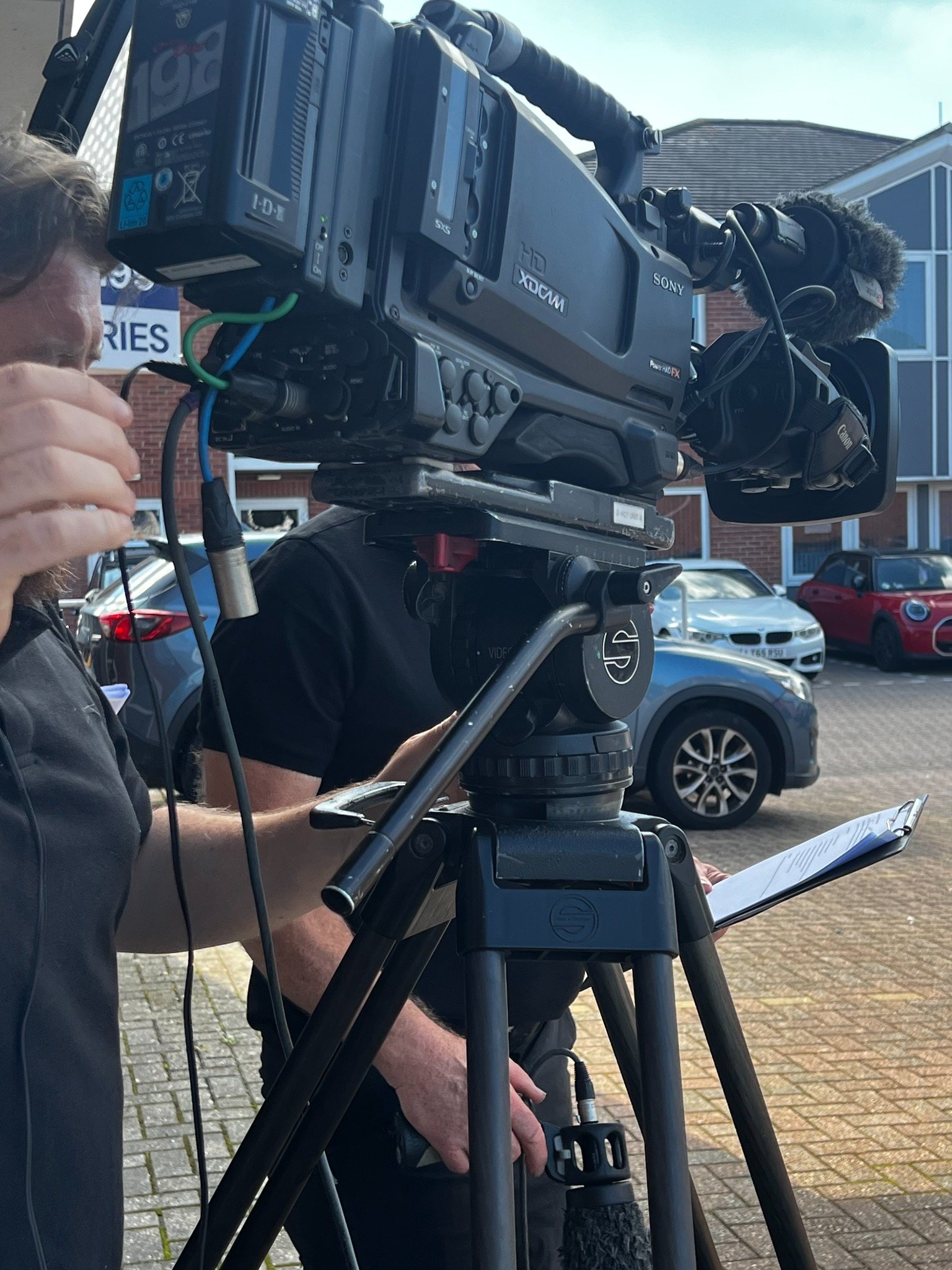
What our crisis planning service includes
- Identifying potential issues, risks and reputational sensitivities
- Mapping key internal and external stakeholders and their priorities
- Establishing internal and external communications procedures
- Defining roles, responsibilities and approval routes
- Identifying named decision-makers and deputies if key people are unavailable
- Developing contingency arrangements for different scenarios
- Selecting appropriate spokespeople and identifying training requirements
- Setting out practical procedures for escalating and managing communications
- Reviewing existing processes and identifying gaps or vulnerabilities
We work with you to understand your organisation, identify relevant risks and sensitivities, and develop a tailored crisis communications plan around how your business actually operates.
The aim is to create a practical resource that people can use, rather than a document that sits in a folder and is forgotten.
Your crisis communications plan should be an evolving document. Organisations change, people move on and new risks emerge. We therefore recommend regular reviews to ensure your plan remains relevant to your business, its people and its operating environment.
GET IN TOUCH
Testing your plan and preparing your people
Having a plan is one thing. Knowing whether it works when decisions need to be made quickly is another.
We use crisis simulations and scenario planning exercises to put your procedures and people under pressure in a controlled environment. This can reveal gaps in responsibilities, approval processes, stakeholder communications and decision-making that may not be obvious when a plan is developed on paper.
Exercises can be designed around realistic situations relevant to your organisation, from an operational incident or cyber issue to a serious employee matter, regulatory problem or reputational challenge.
We also provide crisis communication training for key spokespeople and other people who may have a role in communicating during an issue. This can include practising difficult questions, handling challenging interviews and understanding how different audiences may respond.
For more detail on our media training programmes, see our dedicated service page.
If an issue has already developed and you need support managing live media or stakeholder communications, our crisis management service provides a separate response.
CONTACT US
Polymedia recently supported us with a crisis PR strategy, and their experience, composure and expertise were invaluable. In high-pressure situations, a calm and measured approach was exactly what we needed! The team’s depth of knowledge and strategic thinking turned a challenging moment into a well-managed response.
Totsco

A CLEAR FRAMEWORK
Why choose Polymedia for crisis planning?
Crisis planning needs to reflect how people actually behave when an issue is developing.
Polymedia combines reputation management expertise with first-hand newsroom experience. Our team understands how journalists assess a developing story, as well as the questions and concerns that can arise among employees, customers, investors and other stakeholders.
That perspective helps us challenge assumptions, identify communications vulnerabilities and build plans that are practical for the people who will use them.
We work closely with your organisation to understand its structure, culture, sensitivities and priorities. The result is a clear framework with agreed responsibilities, supported by a consultancy team that already understands your organisation and can provide advice when circumstances change.
Sector Expertise
Some specialist sectors
WORK WITH US
FAQs
What should a crisis communications plan include?
A crisis communications plan should set out who is responsible for communications, who makes decisions, who needs to be informed and how information is approved and shared. It should also cover key stakeholders, potential scenarios, spokespeople, escalation procedures, internal and external communications and contingency arrangements.
How do you test a crisis plan?
We use practical exercises based on realistic scenarios to test how people make decisions and communicate under pressure. These exercises can identify gaps in responsibilities, procedures, approval routes and stakeholder communications before they become an issue.
Can you review our existing crisis communications plan?
Yes. We can review an existing plan against your current organisation, risks, people and procedures, identify areas that need strengthening and recommend practical improvements. We can also help test the revised plan with your team.
How often should we review our crisis plan?
Plans should be reviewed when there are significant changes to your business, people, structure or risk profile, as well as periodically to ensure they remain familiar and useful. We can advise on an appropriate review process for your organisation.
How much does crisis planning cost?
The cost depends on the scope of the work, the size and complexity of your organisation, and whether you need a new plan, a review of an existing plan, training or scenario exercises. We will discuss your requirements and provide clear options and costs before work begins.
Be ready before a crisis happens
01329 822 866
We'd love to talk with you
Whether you are starting from scratch, reviewing an existing plan or looking to test your people, Polymedia can help you prepare.
We can take a brief directly from your organisation or liaise with your client, understand the risks and requirements, and recommend the most appropriate approach. We will set out clear options and costs before any work begins.
Talk to us about your crisis planning, existing procedures or training requirements. Call 01329 822866 or complete our contact form and we’ll get back to you.
Featured News & Blog

NEWS
Food & Drink event support for Business South
Support for the Central South Food & Drink Trade EXPO

NEWS
Hard-hitting impact for energy and solar experts
Brand positioning, new website and national media coverage for renewables business.

NEWS
Launch of one of the UK’s largest Biodiversity Net Gain projects
Ongoing integrated comms for Halnaker Hill Farm, a landmark biodiversity and renaturing project.