
A product recall, a leaked email, an angry customer thread that will not stop growing: any of these can turn into a full-blown reputational crisis within hours. What separates a difficult day from a genuine crisis is whether the story starts writing itself before you have said anything at all.
Crisis PR is the practice of protecting an organisation’s reputation and stakeholder trust when an event threatens serious, fast-moving reputational damage. It sits alongside everyday public relations, but it operates under different pressure, different timelines and different stakes. Crisis communications is not something you improvise convincingly under pressure; it is something you prepare for.

This matters for UK SME owners and directors because the businesses that recover well from a crisis are rarely the ones with the biggest budgets. They are the ones who understood, before anything went wrong, what PR crisis management actually involves and when to call in specialist support.
Contents
How PR crisis management differs from everyday PR

Crisis PR and traditional PR share a discipline but not a rhythm. Everyday communications builds brand reputation gradually through planned stories, media relations and consistent messaging. Crisis public relations responds to sudden reputational threats where delay itself causes harm, and where the wrong message can create legal exposure alongside reputational damage.
The distinction matters because the instincts that serve well in routine PR (careful drafting, multiple sign-offs, a measured pace) can actively hurt you in a crisis. Speed and accuracy have to work together, not in sequence.
What turns an issue into a reputational crisis?
Not every complaint is a crisis. A single dissatisfied customer, a critical review or a minor service hiccup is a normal part of running a business and rarely needs a crisis communications strategy.
An issue becomes a crisis when it threatens to shape public opinion faster than you can respond, when it risks regulatory scrutiny, or when it touches on safety, honesty or leadership conduct. Scale and speed are the signals to watch: is negative sentiment spreading across social media faster than your team can monitor it, and is it starting to attract negative media coverage rather than staying contained to one channel?
Common crisis types UK SMEs should plan for
UK businesses face a recognisable set of crisis scenarios, even if the details vary by sector. Common triggers include:
Regulated businesses may also have sector-specific reporting and notification duties. Coordinate communications with your legal and compliance advisers so that public updates support the operational response and any applicable obligations.
ACTION AND COMMUNICATION MUST ALIGN
Why operational action must match the public message
Words alone do not resolve a crisis. If your public statement promises action, that action has to be visible and genuine, or the gap between message and reality becomes the next story.
This is where reputation management and operational response have to move together. A recall notice without a working returns process, or an apology without a visible change in practice, damages long-term credibility more than saying nothing at all.
How to prepare and respond under pressure

Preparation determines how much control you have when a crisis actually hits. A written crisis communications plan, a defined crisis team and rehearsed response protocols turn a chaotic first hour into a manageable one.
Organisations that run scenario planning and crisis simulations in advance make faster, calmer decisions when a real crisis management process is triggered. Risk audits help identify which crisis scenarios are most plausible for your business, so your crisis response plan reflects genuine exposure rather than generic guidance.
What should happen in the first hours?
The first hours decide how much of the narrative you control. A holding statement, issued quickly and factually, buys time for the fuller response without leaving a vacuum for speculation.
Your crisis response team should confirm facts internally before any public statement goes out, assign a single spokesperson, and agree what can and cannot be said while investigations continue. Rapid response does not mean rushed response; it means having decisions pre-agreed so execution is fast.
How should you communicate with staff, customers and other stakeholders?
Staff and customers need honest, timely information, ideally before they see it in the press. Internal crisis communications should go out ahead of, or alongside, external statements, because employees who learn about a crisis from social media lose trust quickly.
Stakeholder communication should be tailored by audience. Customers need practical detail (what happened, what it means for them, what happens next); suppliers and partners may need reassurance about continuity; regulators need factual, documented updates.
How do you manage journalists and digital conversation?
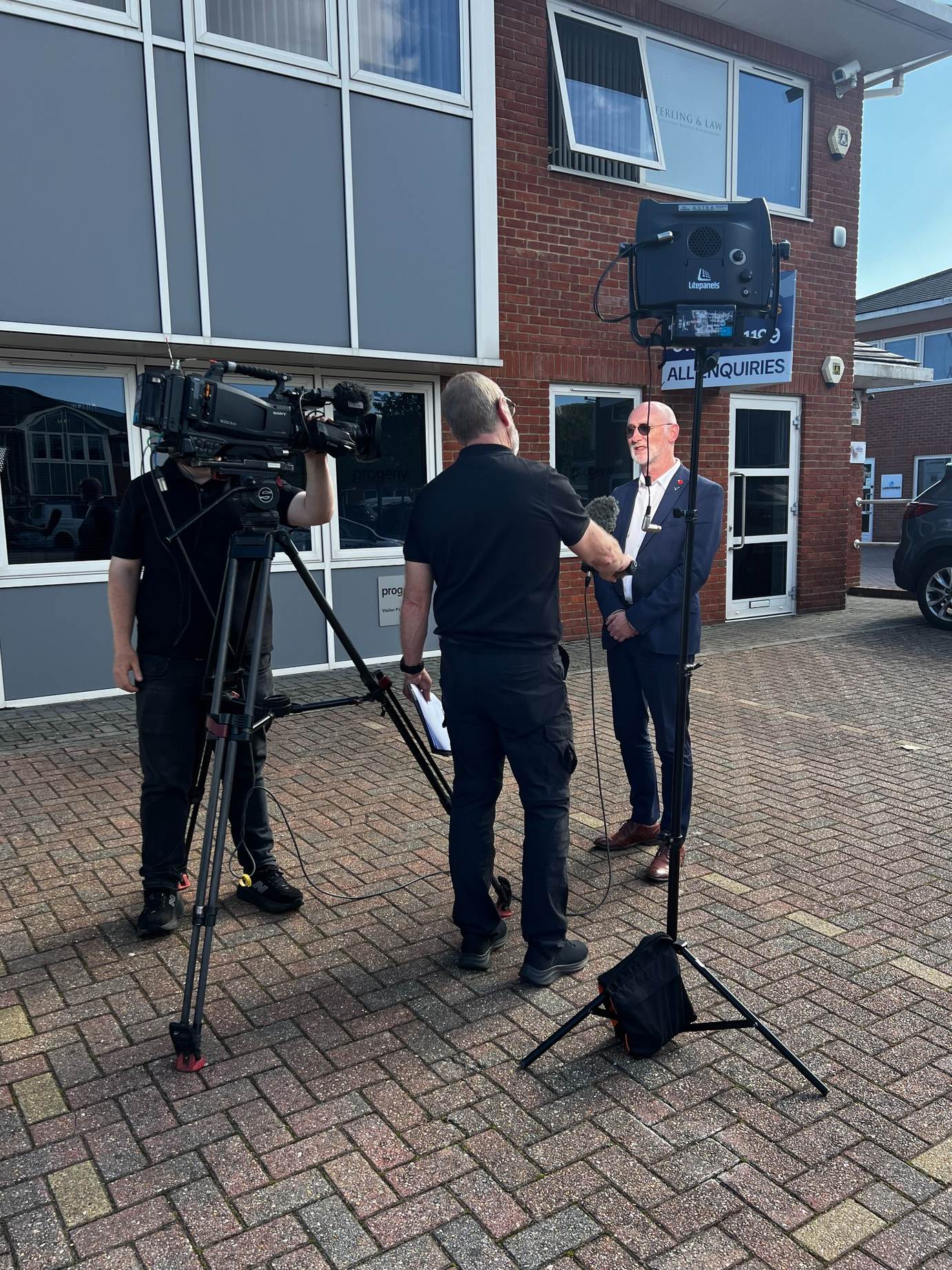
Media enquiries need a consistent point of contact and honest, fact-checked responses, because inconsistency across journalists and newsrooms multiplies reputational risk. Media training and spokesperson preparation matter here: a confident, credible spokesperson can hold a difficult interview without making a bad situation worse.
Alongside media handling, social listening and media monitoring track brand mentions, negative sentiment and share of voice in real time. This data should shape the ongoing communication strategy, not just record it after the fact, as noted in guidance on crisis management steps and monitoring tools.
What should a post-crisis review measure?
A post-crisis audit should measure how quickly you responded, how the public narrative shifted across search results and media coverage, and whether stakeholder trust recovered over time. This review feeds directly into reputation repair and into a stronger crisis management plan for next time.
Look specifically at how long negative coverage remained visible, whether sentiment recovered on social channels, and what internal decisions slowed the response down.
Getting the right support before reputation is at risk
External crisis support is worth involving as soon as a situation carries genuine reputational, legal or regulatory risk, not once coverage has already turned negative. Waiting until a story has spread limits what any crisis PR agency or crisis PR firm can do to shape the outcome.
WHEN TO BRING HELP IN
When should you involve a crisis PR firm?
Bring in specialist support the moment leadership teams recognise a scenario could escalate beyond routine customer service, particularly where legal exposure, regulatory involvement or national media interest is plausible. Early involvement means a crisis communications specialist can help shape the holding statement and strategy from the outset, rather than repairing damage after initial missteps.
WHAT TO LOOK FOR
What should you look for in external crisis support?
Look for agency experience with genuine crisis scenarios, senior involvement rather than delegation to junior staff, and clear evidence of a structured crisis management process. Ask how the team handles media relations under pressure, and how they measure whether reputation is recovering. Polymedia’s crisis management support covers preparation, scenario exercises, communications training, rapid response and recovery, built around the same director-led approach used across the agency’s wider PR strategy work.
How can ongoing PR strengthen resilience?
Consistent strategic communication and thought leadership build a reserve of public trust that helps organisations weather difficult moments. Businesses with an established publicity presence and genuine customer trust tend to be given more benefit of the doubt when something goes wrong. Building that resilience alongside crisis preparedness is worth discussing directly with a specialist team, and you can start that conversation via Polymedia’s contact page for an initial consultation without charge.
Preparation gives you more control when it matters

Crisis PR is not a service you reach for only once a story has broken. It is the combination of a tested crisis communications plan, a clear crisis response plan and a team who know their roles before pressure arrives.
Businesses that invest in this preparation protect long-term reputation more effectively than those relying on improvisation. Reputation repair after a crisis is possible, but it takes longer and costs more than preparation would have done.
Public trust is rebuilt through consistent, honest action over time, not through a single well-worded statement. Getting the groundwork right now is what makes that recovery achievable later.